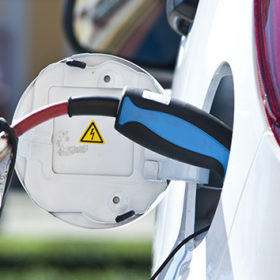
Analyst predicts 2030 bidding war for dead EV batteries
A lack of end-of-life batteries this decade is likely to play into the hands of Chinese recyclers located near most of the world’s production facilities, according to analyst WoodMac, but might at least help rebalance the current situation in which new products are cheaper than recycled ones.
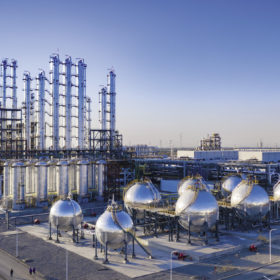
Daqo fires up 35,000-ton poly fab
The polysilicon producer is sticking by plans to ramp up manufacturing capacity almost 300% within three years and says it will produce the basic material for the new generation of n-type solar panels.
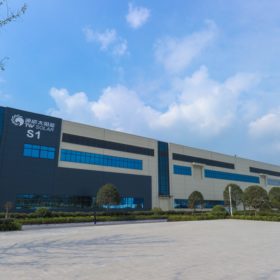
Chinese PV Industry Brief: Shuangliang secures three more wafer deals, Petro China’s 4.5 GW module deal
Shuangliang has secured supply agreements from Xinchao PV, Canadia Solar and SF Solar. Petro China wants modules for 4.5 GW of solar projects across 24 provinces.
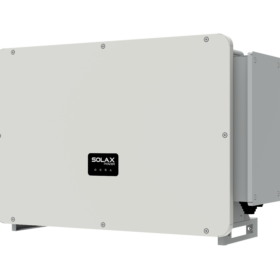
Solax Power launches new inverter series for commercial PV projects
The three-phase inverter series features an efficiency ranging from 98.6% to 99.0%. The devices are equipped with up to 12 MPPT inputs and are able to provide up to 32 A MPPT current.
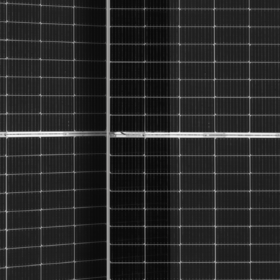
Illustrating the n-type advantage
In a new white paper, Chinese PV manufacturer JinkoSolar demonstrates how its latest ‘Tiger Neo’ module, featuring the 182mm n-type TOPCon cells, achieves lower energy costs. Based on total project costs for various scenarios in China, the Middle East and Europe, Jinko calculates advantages arising from both the cell technology and its chosen wafer format.
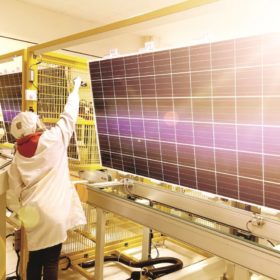
Chinese PV Industry Brief: Another manufacturer, Zhonghuan, reduces PV wafer prices
The solar manufacturer has lowered the prices of its PV wafers by up to 12.5%. In other news, Haiyuan Material (HYM) has begun deploying production lines at its 5 GW heterojunction PV module factory.
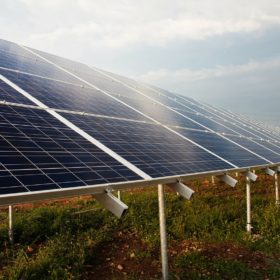
Renesola rejects allegations of fraudulent activities
According to U.S.-based Grizzly Research LLC, many of the company’s European solar projects appear not to exist. Renesola has said it will review the report and address the key inaccuracies with detailed explanations on its upcoming earnings conference call.

Record solar numbers expected this year but IEA highlights pricing concern
The Paris-based body expects the world will have installed almost 160 GW of solar this year, a record number, but still not enough to keep the prospect of a net zero global economy by mid century in sight.
Forced sale of Shunfeng projects will remove biggest overdue debt
Creditor Chongqing, which has been owed more than $100 million by the embattled developer for 14 months, will force through a sale of 180 MW of solar capacity to a third party. Shunfeng had originally wanted to sell the projects to Chongqing six years ago.
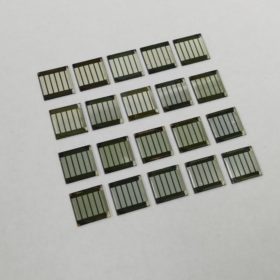
Dion-Jacobson perovskite solar cell with 18.82% efficiency
Scientists in China have used a fused-thiophene spacer to build a two-dimensional perovskite solar cell. It has an open-circuit voltage of 1.03 V, a short circuit current of 22.38 mA cm2, and a fill factor of 81.64%.
