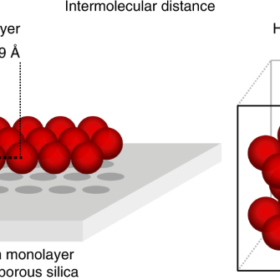
The Hydrogen Stream: Condensed hydrogen on smooth surfaces can sharply exceed liquid hydrogen density
A German-US research team has shown that hydrogen condenses on smooth surfaces at a very low temperature, forming a super-dense monolayer that reduces the volume to just 5 liters per kilogram of H2. Dutch researchers, meanwhile, have published a new study on hydrogen storage in porous rocks, and Itochu said it is moving forward with hydrogen plans in Japan and South Africa.
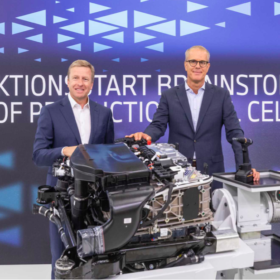
The Hydrogen Stream: BMW starts in-house production of fuel cells for iX5 Hydrogen
BMW Group said it is targeting the premium segment with its iX5 Hydrogen car, Topsoe revealed that it will invest $267 million to build the world’s largest SOEC electrolyzer plant in Denmark, and Bosch announced plans to invest $200 million in US fuel cell production.
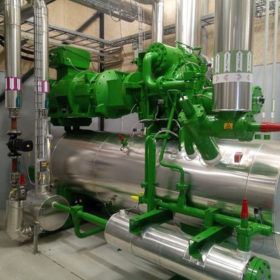
Ammonia heat pump for wastewater
Aalborg CSP will connect a 2.5 MW ammonia heat pump to a district heating system operated by E.ON Denmark. The facility will be located at a local wastewater treatment plant.

Storing renewables in soil mounds via water balloons
Scientists in Denmark have developed a storage technology that utilizes large underground water balloons and the pressure of the soil to activate a turbine to generate power. They are currently building a first 10 m x 10 m demonstrator to select critical technologies related to the membrane and to the construction of the “movable hill” that will form the terrain part of the battery.
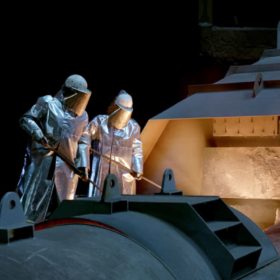
The Hydrogen Stream: Global electrolyzer market to reach 8.5 GW by 2026
GlobalData has predicted that the global electrolyzer market will hit 8.52 GW by 2026. BP and Thyssenkrupp have agreed to cooperate on the use of hydrogen in the steel sector, while electrolyzer supplier Nel Hydrogen has secured orders in Australia and Denmark.
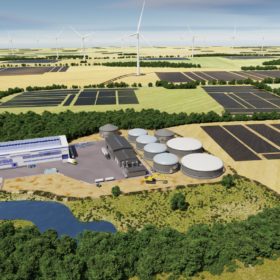
Hybrid wind-solar complex under development in Denmark
Eurowind Energy is building wind-solar capacity at five onshore energy centers and is also considering hydrogen electrolysis. It says each of the sites will include battery storage to offer grid services.
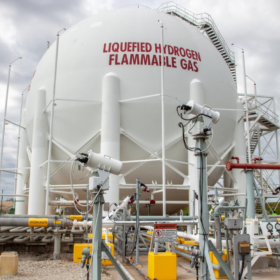
The Hydrogen Stream: Romania calls for green hydrogen projects
Romania has unveiled a state aid scheme to support investments in the production of hydrogen powered by solar, hydro and wind, while Air Products and Gunvor have agreed to build a hydrogen import terminal in Rotterdam.
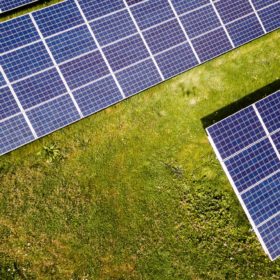
About 400 GW of solar, wind needed per year to keep mercury rise below 1.5 C
Academics in Denmark and Berlin have calculated Europe will need 400 GW of new solar and wind facilities per year from 2025 to 2035 to contribute to capping global temperature rises, in line with the Paris Agreement.
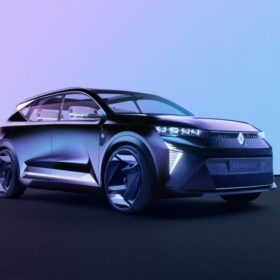
The Hydrogen Stream: Renault presents electric-hydrogen hybrid car with range of up to 800 km
In other news, Shinshu University researchers developed a graphene-wrapped molecular-sieving membrane that is reportedly 100 times more efficient than that of conventional polymer separation membranes. Topsoe aalso nnounced the construction of the “world’s largest electrolyzer production facility,” and Toho Gas said it would produce blue hydrogen in Japan for local consumption.
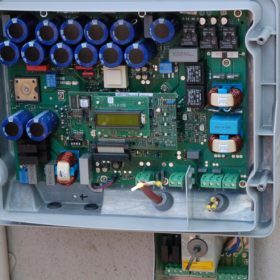
Solar inverter fault detection techniques at a glance
New research has categorized all existing fault detection and localization strategies for grid-connected PV inverters. The overview also provides a classification of various component failure modes and their potential causes in a tabular form.
