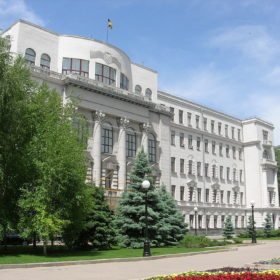
Altostrata to develop 250 MW solar project in eastern Ukraine
The Irish developer is planning to invest €255 million in the project, which is expected to be located near the village of Levodka, in the Dnipropetrovsk region.

Interview: The time has come for a European solar industry policy
In an interview with pv magazine, SolarPower Europe CEO, James Watson explains how the Clean Energy Industrial Forum (CEIF) set up by the EU is paving the way for a resurgence of the European solar industry. Representatives from politics and industry met last Friday in Brussels to discuss how to further proceed.

Lithuania’s Modus Energy plans 56 MW of solar projects in Poland
The Lithuanian renewable energy company will initially install 12 power plants at a cost of around €11 million.

Roth: US steel, aluminum tariffs to add at least 1-3c per watt to solar projects
While President Trump has a range of options, all likely scenarios seem likely to result in a modest increase in the cost of solar installations.
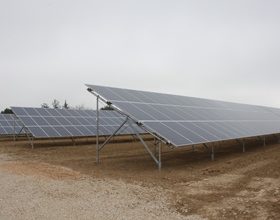
CEZ to sell Bulgarian solar, energy assets to Inercom
The transaction includes the sale of a solar park located in western Bulgaria.

Albania grants first two FITs licenses for PV projects up to 2 MW
The projects will be awarded a feed-in tariff (FIT) contract with a regulated tariff of €100/MWh.
Blockchain company raises $40 million to further develop energy trading platform
WePower is raising money in hopes of leveraging Bitcoin’s ‘blockchain’ technology to enable instant tracking and trading of clean electricity.
Jabil closes 700 MW solar module factory in Poland
The company, which was one of Europe’s largest OEM module manufacturers, has decided to close its Polish manufacturing facility, due to an expected drop in demand.

Ukraine’s renewable energy outlook under the new electricity market design
Svitlana Teush, counsel at Redcliffe Partners law firm in Kyiv, Ukraine, discusses the country’s new electricity market design and what it means for renewables. Currently, she says, the renewable energy sector in Ukraine is an attractive investment prospect and has considerable potential for further growth in the coming years.
Ukraine added 211 MW of solar in 2017
The country’s cumulative installed solar power has reached 741 MW, while rooftop PV under net metering has topped 37 MW. Over 500 MW of new PV additions are expected in 2018.
