
Solar among the options as Moldova gets €5m credit line
The loan will be supplied by the EBRD and includes €1.25 million of concessional lending provided by the global Green Climate Fund.
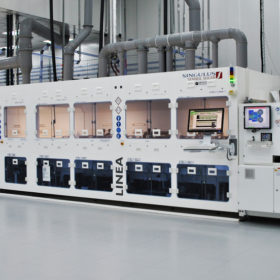
Kazatomprom again seeks to sell solar manufacturing units
The Kazakh state-owned national atomic energy company is seeking to sell its solar manufacturing units for the second time.
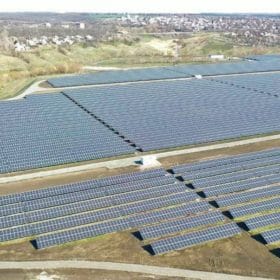
Scatec PV plant goes online in Ukraine
Realized under Ukraine’s feed-in-tariff scheme, the Kamianka plant is expected to deliver some 37 GWh per year and provide clean energy to more than 11,000 households.

Uzbekistan announces second phase of 500 MW solar tender
Uzbekistan’s Ministry of Energy has revealed plans to launch a new solar tender in early 2021. Separately, the Asian Development Bank signed a deal last week to provide up to $175 million in loans to back the development of another 100 MW solar project in the country.
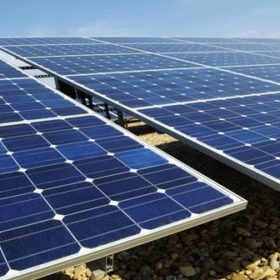
EBRD finances 100 MW Uzbek solar park with $60 million
The PV plant will be deployed in the Navoi region of Uzbekistan by UAE-based developer Masdar.
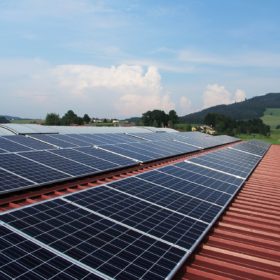
Solar claims all the 700 MW allocated in Poland’s latest small-scale renewables auction
Once again, solar was the only technology competing in the procurement exercise for renewables not exceeding 1 MW in size. The ERO reported a minimum price of PLN228.7/MWh ($61.2), which compares to PLN269.0 a year earlier.
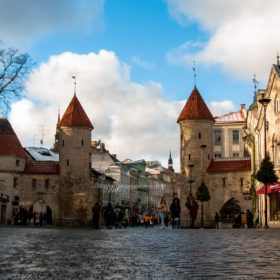
Ten-year renewal of Estonia’s renewables support program
New €450 million incentive regime needed to be approved under EU state aid rules.

Bulgaria and Romania set to be EU solar hotspots
Each of the nations, like Greece, will have gigawatt-plus solar additions in 2024, according to Solarpower Europe, enough to carve out a 3% slice of an anticipated 35 GW regional market.
Poland allocates 800 MW of solar in mixed PV-wind auction
Overall, the Polish energy regulator has allocated 1.7 GW of renewable energy capacity in a procurement exercise that was open to projects exceeding 1 MW in size. The auction concluded with a lowest price of $0.051/kWh, slightly up from the auction of the same kind held last year.
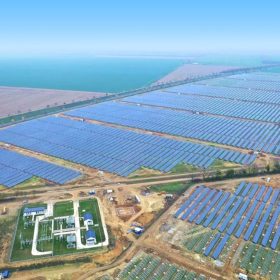
100 MW solar park comes online in eastern central Europe
The solar plant is located in Kaposvàr, southwest Hungary, and will sell power at €0.09/kWh under the country’s feed-in tariff regime.
