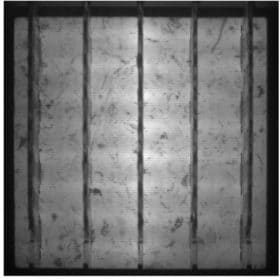
Low outdoor degradation for 20.76%-efficient solar cells made of UMG silicon
Spanish manufacturer Aurinka has tested the degradation rate of its 20.76%-efficient solar cells made of 100% upgraded metallurgical grade (UMG) silicon and has found it shows the same values as conventional polysilicon. The company is currently building a UMG factory in northern Spain.

Debate on alleged forced labor in Chinese PV industry heats up in the Netherlands
Three Dutch political parties have brought the forced labor issue to Parliament and have asked the Minister for Foreign Trade and Development Cooperation, Sigrid Kaad, to report on the matter.
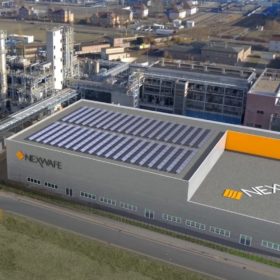
European PV organization requests €20bn to support manufacturing
The European Union wants to provide €700 billion through its post-pandemic reconstruction program, but the European Solar Manufacturing Council says that €20 billion of the total should be used to shore up the European PV industry.
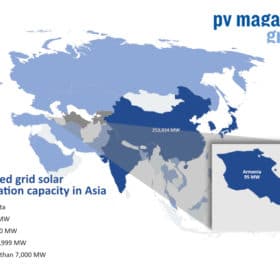
EBRD leads $6m green finance package for Armenia
Private sector businesses will be offered concessional loans to install solar and other climate change related equipment.

Meyer Burger wants to ship first HJT modules in July
The Swiss technology group wants to officially present its heterojunction modules, which are produced in Freiberg, Germany, at the end of April. Meyer Burger concluded its first official sales partnership in Switzerland, with Solarmarkt.
Solar changing shape of electricity prices in Northern Europe
Rising volumes of photovoltaic project capacity are increasing the incidence of negative price periods for electricity–and changing the times of day when they occur.

Fraunhofer ISE develops front/back solar cell with 26.0% efficiency
The cell showed open-circuit voltage values of up to 732 mV. It was fabricated with a back junction (BJ) design with a full-area p-n-junction at the back surface.
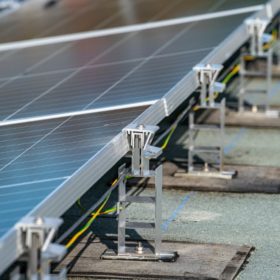
French company unveils new rooftop PV mounting method
Axter, a French waterproofing specialist, has revealed a new mounting process for the installation of rigid solar modules on several types of buildings, including concrete, metal, and wood surfaces.
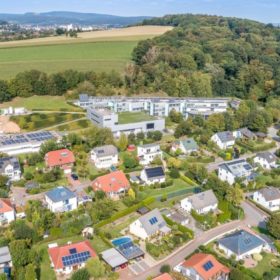
Pilot project to couple wind and solar with heat pumps in Germany
The Institute for Solar Energy Research Hamelin (ISFH) is testing if renewables can cover 80% of electricity and heating demand combined in some town districts in southern Germany.
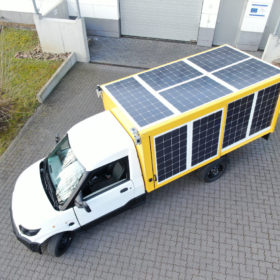
Vehicle-integrated PV for light commercial vehicles
A German consortium is building a light commercial truck prototype powered by 10 PV modules featuring Meyer Burger’s heterojunction cells. Initial estimates suggest that the panels could cover more than 25% of a vehicle’s total annual driving distance, and researcher Robby Peibst told pv magazine that the vehicle-integrated photovoltaic market could hit 5 GW by 2030.
