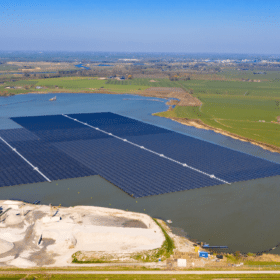
Water quality untouched by floating PV
Baywa re and Dutch researchers have evaluated the first positive effects of floating PV on the flora and fauna in water. They have also ascertained that the erosion of a lake’s banks has decreased.

Hanwha Q Cells announces n-type module with passivating contacts
Production on the new module, called Q.Tron, is expected to begin this year. The product is described as an evolution of the company’s Q.antum cell technology.
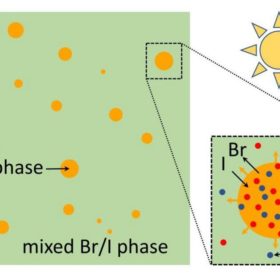
Thermodynamic model to build more-stable perovskite solar cells
Dutch scientists claim to have developed a theory that explains the mechanisms behind halide segregation, which is the main factor affecting thermal stability in perovskite solar cells. They affirmed that the theory may provide technical solutions to build more stable perovskite PV devices.
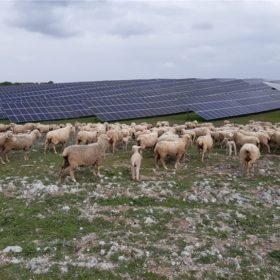
Iberdrola seeks innovative solutions for agrivoltaics
The Spanish utility said agrivoltaic projects and solutions will be evaluated based on costs, technological maturity, crop diversity, and level of digitization among other things.
Dutch farmers left with no connection for their PV arrays
Grid congestion issues are increasing in the Netherlands and several Dutch farmers claim to have remained without access to the grid despite having completed their rooftop arrays.
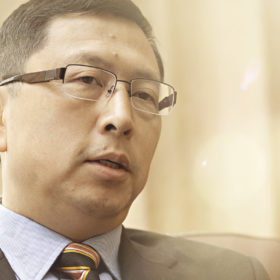
Canadian Solar invests in British ‘merchant battery’ AI company
Oxford-based Habitat Energy uses machine learning algorithms, artificial intelligence (AI) and its own trading platform and software to maximize profits from utility scale storage facilities. A Canadian Solar statement about the arrangement, issued today, contained no financial details about the co-operation.
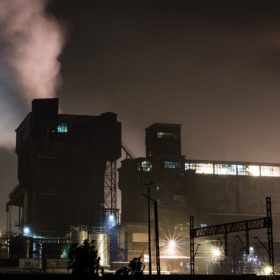
EU carbon price running at level not expected until next year
Emissions permits are selling at around €50 per ton, completing a rally from last year’s Covid-driven slump faster than expected by business respondents to the 2021 Refinitiv Carbon Market Survey.

Best membrane for non-aqueous redox flow batteries
A Chinese-Finnish research team has identified composite membranes as the best future option for non-aqueous redox flow batteries.
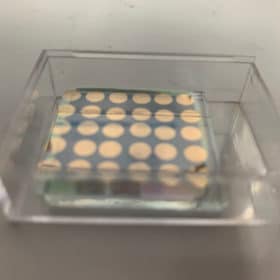
Future of cadmium telluride PV tech
In the third interview of a series, pv magazine spoke to Prof. Arvind Shah of École polytechnique fédérale de Lausanne and Associate Prof. Alessandro Romeo from the University of Verona about the challenges and opportunities of cadmium telluride (CdTe) PV tech. They said there is still potential to ramp up efficiency and cut costs, and claimed that the toxicity of cadmium should not be seen as a serious concern.
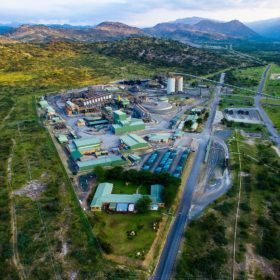
Green hydrogen supply chain concerns
With South Africa holding 63,000 of the world’s estimated 69,000 metric tons of platinum reserves – according to the Statista.com website – and Russia and Zimbabwe a further 5,100 between them, the European Commission has cited the metal as an example of a potential supply chain bottleneck that could handicap its grand plans for renewables-powered hydrogen production.
