
Switzerland allocates $521 million for solar rebates in 2021
The Swiss federal government has also decided to improve the bureaucratic procedures for the installation of solar PV systems.

Exeger ramps up dye-sensitized solar cell production in Sweden
The Swedish company secured $38 million to build a manufacturing facility it has planned with the support of Swiss conglomerate ABB. The factory will be located in Stockholm and produce the company’s Powerfoyle products.

Eurostat figures confirm rise of renewables during Covid-hit 2020
While solar, wind and hydro generated 80 TWh more electricity last year than in 2019, coal and oil use fell in every EU member state, and Greek energy emissions fell almost 19%.
Italian PV sector cautious about Covid-19 recovery package
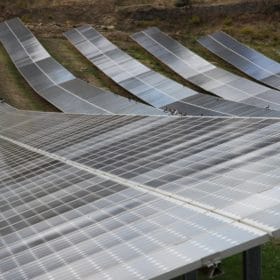
The Italian PV world remains cautiously skeptical about the €220 billion post-pandemic recovery plan that Rome presented last week. It outlines steps for agrivoltaics, but retains preferential treatment for the gas sector (biomethane and hydrogen), and notes the marginal role of batteries and pumping systems. However, the green policies are not final and could still be shaped by related decrees and non-financial measures.
Cadmium telluride solar cells for space applications, BIPV, unmanned aircraft
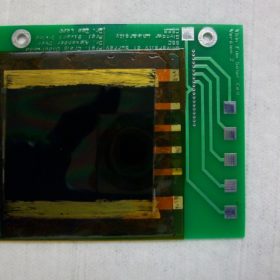
U.K. researchers have developed a flexible thin-film cadmium telluride (CdTe) solar cell for use in ultra-thin glass for space applications.

France allocates 29 MW in PV tender for non-interconnected areas
Akuo, Amarenco and Voltalia secured the largest amount of capacity in the procurement exercise.

‘Hydrogen as a universal climate solution might be a bit of false promise’
Hydrogen and hydrogen-based fuels will not be able to move forward fast enough to replace fossil fuels and tackle climate change, according to a German-Swiss research team that claims direct electrification alternatives are cheaper and easier to implement. The scientists cite too-high prices, short-term scarcity and long-term uncertainty, as the main reasons for their skepticism.
EU finances 100 MW solar plant in Uzbekistan
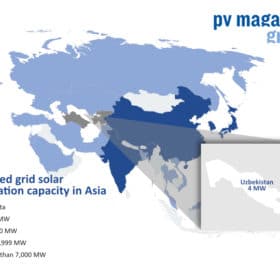
French energy company Total is developing the solar field near Samarkand, which will sell power to National Electric Networks of Uzbekistan under a 25-year power purchase agreement.
Organic solar for optical wireless data receivers
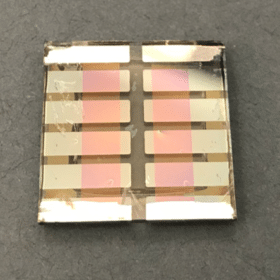
Researchers in the United Kingdom have built a 14%-efficient organic PV device that can be used in high-speed optical wireless communication systems. The cell consists of a 4×2.5mm photoactive layer fabricated with a bulk heterojunction of a polymer donor and fullerene and non-fullerene acceptors.
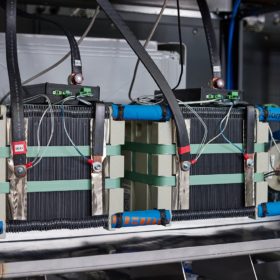
New stack design for cheaper redox flow batteries
German scientists have proposed a new design for stacks used in redox flow batteries. Through a powder-to-roll process, a device that weighs 80% less than a conventional stack was fabricated.
