
No respite for REC Silicon as shutdown dominates Q2 figures
The Norwegian polysilicon supplier – which has most of its manufacturing operations on U.S. soil – cannot give any estimate on when its solar material production lines will return, and has been left entirely dependent on the semiconductor products made by its Montana facility.
Greece returns to growth
After a few years of stagnation, Greece’s PV industry is back with a plan to tender 430 MW in 2019 and to develop hybrid PV and wind projects.
Nuclear: A poor investment strategy for clean energy
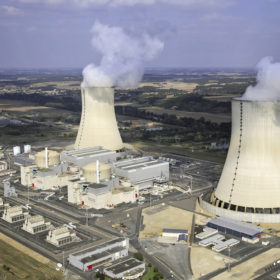
Study claims that investment in a new 1GW nuclear power plant leads to average losses of approximately 4.8 billion euros. It further argues that the technology’s dangerous radioactivity emissions and proliferation risks do not qualify it as a ‘clean’ energy solution to be considered for addressing climate change. Yet still, governments are incorporating the technology into clean energy plans around the world.
EU coal regions could deploy 730 GW of PV while retaining employment rates, study finds
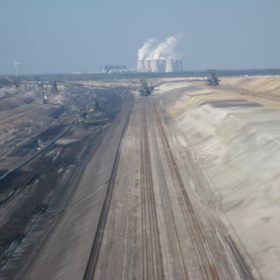
A study performed by the Joint Research Center of the European Commission has identified serious solar potential in Europe’s coal regions. According to the study, the transition to PV would also allow for similar full time employment equivalents as that of the coal industry.
Poland launches €235 million solar rebate program
The Mój Prąd scheme will be open to residential rooftop PV projects ranging in size from 2 kW to 10 kW. Furthermore, the Polish Parliament approved a new act that will allow for the wind and solar auctions planned for this and next year to move forward.
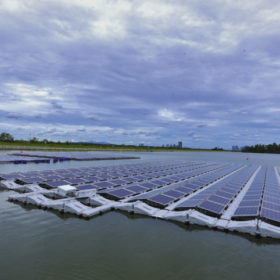
Eni plans Italy’s first utility scale floating PV plant of 14 MW
Italy’s first floating PV installation is scheduled to be located at an artificial water basin in Brindisi, in the southern region of Apulia.
Small solar parks appear in Sweden
pv magazine‘s delve into unsung solar markets continues with a look at Sweden. While its installation numbers are small, solar in the Scandinavian nation has developed steadily, and megawatt scale installations are beginning to appear.
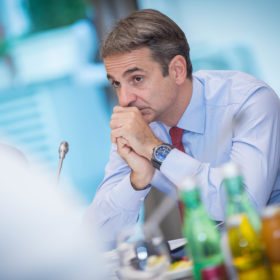
PV license fever in Greece continues
Applications to generate electricity from solar plants continue to surge, reflecting the sector’s revival in the country.
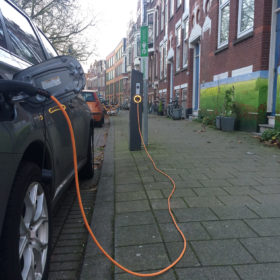
UK Power Network launches smart EV charging market trial
With EV sales continuing their climb, and overall carbon emissions targets getting more ambitious, stakeholders in the energy system will need to consider flexibility options from, among other points, EV charging. A large distribution system operator in the U.K. is now examining the options to remunerate customers for adapting their EV charging patterns to load profiles of the grid. If successful, the exercise may help mitigate grid infrastructure expansion costs.
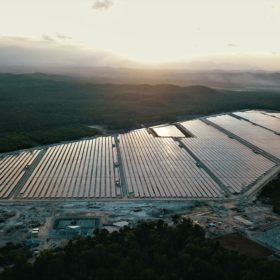
Scatec Solar triples production over last year
The IPP released its latest financial figures and leadership says that with growth across all business units, Q2 2019 is its best quarter ever.
