
Uzbekistan launches 100 MW solar tender for southwest
State-owned energy company Uzbekenergo has issued a request for pre-qualification for the projects, planned for the Navoiy region in southwestern Uzbekistan. The tender process is expected to be finalized by the end of June.

Solar rail and roads in the UK to get financial shot in the arm
The Department for Transport has announced funding for research projects which could help decarbonize Britain’s railways and generate power from roads and footpaths. Previously explored with limited success, it is hoped the research will push the frontiers of the field and give a fresh impetus to Britain’s ailing solar sector.

Ukraine to hold first auctions for wind and solar next year
According to provisions approved in their first reading by the Ukrainian parliament, solar projects selected in future auctions will be awarded 20-year PPAs to encourage investors to steadily abandon the FIT scheme until it expires in 2030.

Spain unveils new provisions for self-consumption regulation
The Spanish government has proposed a Royal Decree with new self-consumption regulation which is expected to be approved in March or April. According to the new rules, power surpluses may be shared with other consumers or fed to the grid.

UK government offering little encouragement to the solar sector says the industry
A conference in London explored the next steps for renewables in the U.K. There was widespread agreement solar has been left in the cold by a government unwilling to alter the current market dynamics.
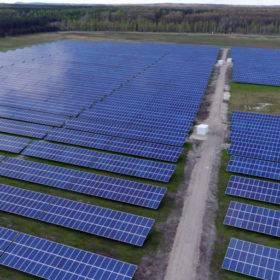
Germany installed almost 3 GW of solar in 2018
PV demand grew 68% year-on-year from the level seen in 2017 as Germany’s cumulative installed solar generation capacity reached 45.92 GW.
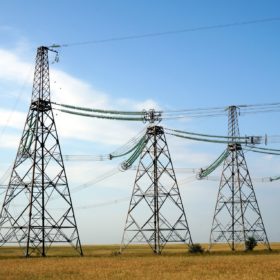
Risen Energy completes 40 MW solar project in Kazakhstan
Since 2012, Kazakhstan has shown increased interest in its energy transition and put in place supportive regulations. The country lies in the path of China’s ‘One Belt, One Road’ initiative, which unlocks large-scale infrastructure investments.
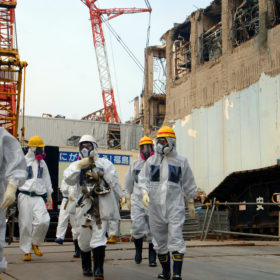
Debunking the low-cost nuclear myth
An article published in the FT this week was right to point out that pricing new energy capacity involves more than just comparing strike prices, but if you are in the business of calculating real costs, do it properly. For nuclear in particular, that’s a case of ‘in for a penny, in for (several) pounds’.
Italian renewables fund targets €250m more investment by 2021
The acquisition of an 85 MW, three-project solar portfolio by the Tages Helios fund illustrates the confidence investors have in Italian renewables, and fund managers are optimistic about the sector as they bid to expand into wind power as well as PV.
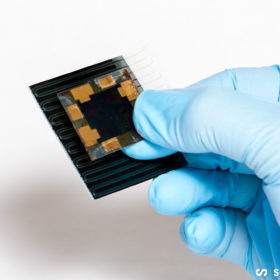
Solliance claims 21.5% efficiency for perovskite CIGS cell
The European solar research organization, Solliance announced it has achieved a 21.5% efficiency for a flexible copper indium gallium selenide (CIGS) tandem solar cell based on perovskite.
