
Dutch researchers propose new approach to measure solar potential of urban areas
The system is said to have a maximum estimation error of less than 10% and to reduce the computational requirements for calculating the output of PV systems in complex environments. The approach is based on the correlation between a skyline profile and the annual irradiation received at a particular spot.
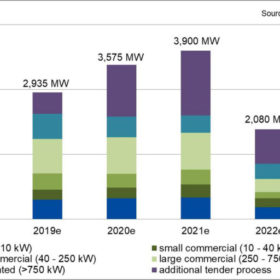
Germany to install more than 10 GW of PV before 2022 contraction
Extraordinary PV tenders by the federal government will provide for more growth. Market research company EuPD Research expects newly installed capacity of 4 GW in 2021. After that, however, the market could see a sharp reduction, after the 52 GW cap for solar subsidies is reached.

Spain hits 5 GW milestone
Approximately 261.7 MW of new PV systems were deployed in the country last year, according to provisional numbers from solar energy association UNEF. Once again, rooftop PV for self-consumption drove demand, although 26 MW of ground-mounted solar parks were connected in 2018.
Two more large-scale PV deals announced in Portugal
Switzerland-based Edisun Power has acquired a 49 MW solar project in northeastern Portugal which is expected to be completed in the second half of next year. Cubico has secured financing for three operational PV facilities with a 29.6 MW capacity in the south of the country.

ReneSola looks to Hungary and Poland
French-backed institutional investor Eiffel Energy Transition Group will finance almost 100 MW of new solar capacity in the central European nations after signing a deal with the Chinese developer.

Helmholtz Center achieves 21.6% for perovskite CIGS tandem solar cell
The German researchers were able to improve the efficiency through a simplified production process.
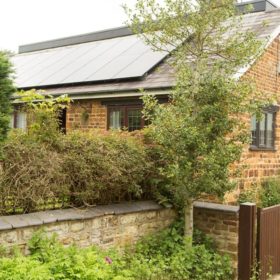
Latest figures confirm large-scale solar is dormant in the UK
An encouraging number of new installations at the end of 2018 was almost entirely accounted for by the smallest household systems and is probably down to the looming end of the FIT program, which appears to typify the story of British solar to date.

E.on’s acquisition of Innogy would create customer energy data monopoly, claims rival utility
The planned acquisition of RWE subsidiary Innogy’s sales and network business, would make E.on the largest electricity supplier to two-thirds of Germany with a 70% market share in its distribution network. That is the finding of analysis conducted by consulting firm LBD on behalf of rival power firm Lichtblick.

Uzbekistan launches 100 MW solar tender for southwest
State-owned energy company Uzbekenergo has issued a request for pre-qualification for the projects, planned for the Navoiy region in southwestern Uzbekistan. The tender process is expected to be finalized by the end of June.

Solar rail and roads in the UK to get financial shot in the arm
The Department for Transport has announced funding for research projects which could help decarbonize Britain’s railways and generate power from roads and footpaths. Previously explored with limited success, it is hoped the research will push the frontiers of the field and give a fresh impetus to Britain’s ailing solar sector.
