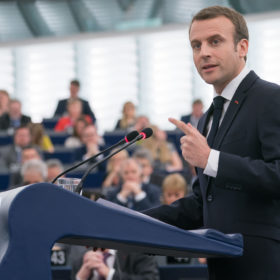
Macron delays reduction of nuclear share by a decade, but announces 45 GW solar target by 2030
Although the French President promised that solar capacity will increase fivefold by 2030, France’s new energy strategy will keep nuclear power at the core of its electricity system. The decommissioning of approximately 20% of France’s nuclear power generation assets, originally set by the country’s energy transition law for 2025, has been delayed to 2035. Macron said this plan may be reconsidered, however, if storage technologies help mitigate intermittence issues and if there can be stronger European integration.

France sees increasing activity for private solar PPAs
Energy cooperative Enercoop has issued a request for proposal to select renewable energy projects up to 10 MW in size for which it could award a 15 to 30-year PPA. The move is intended to attract bids for projects built without public support.
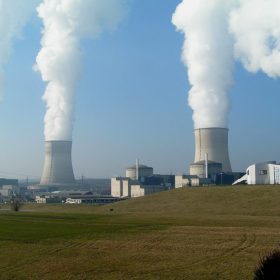
France’s decision to delay nuclear phaseout by a decade jeopardizes PV plans
The French government has devised three possible scenarios for the planned phasing out of part of its nuclear power generation assets. Even under the most optimistic scenario, the target to reduce the share of nuclear power from around 75% to 50% by 2025, which had been set by the previous government, will only be reached in 2035. The most pessimistic scenario envisages the construction of four new nuclear reactors by 2040.
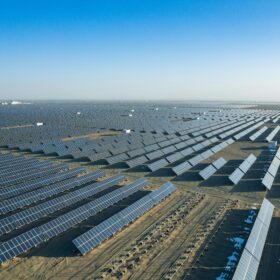
Solar awarded entire 200 MW capacity in France’s mixed energy auction
The entire capacity of an experimental mixed auction for wind and solar has been awarded to large-scale PV projects, the French Government announced. The average tariff price secured was €54.94/MWh.
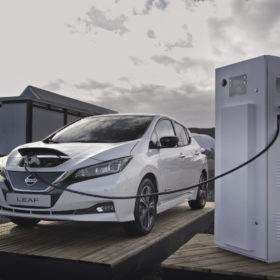
What’s in store for storage? $620bn
The rise of batteries will attract that headline figure in investment up to 2040, say analysts, as exponential growth in EV ownership, falling stationery system costs and the needs of the world’s grid-poor regions combine to boost lithium-ion technology.
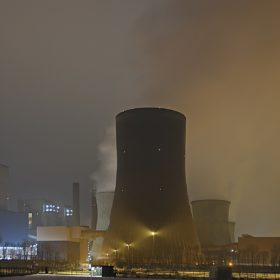
‘France at risk of energy isolationism’
The Chair of the solar commission of French renewable energy association SER – Xavier Daval – explains why a further commitment to nuclear by the Macron government may seriously undermine efforts of late to revive renewable energy. According to him, if more nuclear reactors will be built, France may miss the chance of positioning itself as a leading country in the growing global renewable energy market.
French turn on nuclear opens €45 billion renewables investment opportunity
The French government is expected to show a draft plan on how to achieve nuclear generation reduction plans. After minister Hulot left the government in August, amidst disagreements with Macron’s handling of the nuclear lobby, the parliament has voted for a bill to reduce nuclear generation capacity. If the plans are realized in compliance with the climate targets, solar and wind deployment could grow significantly.
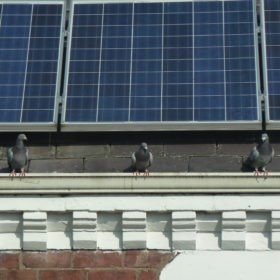
EU approves France’s new scheme for self-consumption
The European Commission has given the green light to €200 million in public support that will be provided by the French governmnet for approximately 490 MW of renewable energy capacity expected to be deployed under the self-consumption regime. The scheme will be based on technology-neutral tenders.
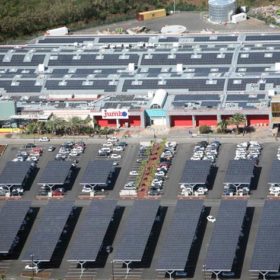
Bpifrance, Tikehau invest €150 million in Greenyellow
Upon completion of the transaction, the French national development bank and the asset manager will hold a 24% joint stake in GreenYellow. Funds will be used to help the Groupe Casino subsidiary accelerate its development phase.
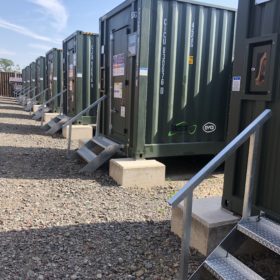
France reveals winners of tender for large-scale storage in Corsica and overseas territories
Eleven storage projects with a power rating of 50 MW and storage capacity of 54 MWh were selected by the French Energy Regulatory Commission through the tender. One will be in Corsica, while Guadeloupe and Guiana will each have three projects. Martinique and La Réunion will each host two.
