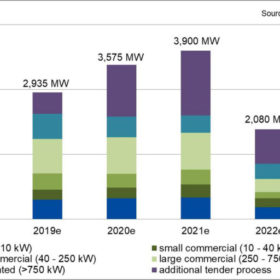
Germany to install more than 10 GW of PV before 2022 contraction
Extraordinary PV tenders by the federal government will provide for more growth. Market research company EuPD Research expects newly installed capacity of 4 GW in 2021. After that, however, the market could see a sharp reduction, after the 52 GW cap for solar subsidies is reached.

Helmholtz Center achieves 21.6% for perovskite CIGS tandem solar cell
The German researchers were able to improve the efficiency through a simplified production process.

E.on’s acquisition of Innogy would create customer energy data monopoly, claims rival utility
The planned acquisition of RWE subsidiary Innogy’s sales and network business, would make E.on the largest electricity supplier to two-thirds of Germany with a 70% market share in its distribution network. That is the finding of analysis conducted by consulting firm LBD on behalf of rival power firm Lichtblick.
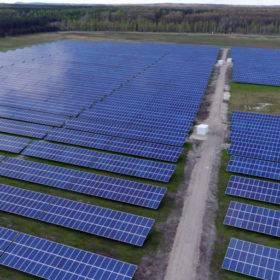
Germany installed almost 3 GW of solar in 2018
PV demand grew 68% year-on-year from the level seen in 2017 as Germany’s cumulative installed solar generation capacity reached 45.92 GW.
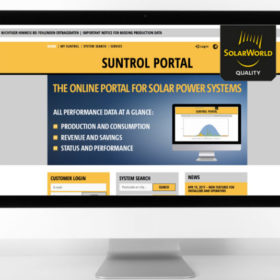
Solytic takes over SolarWorld’s PV monitoring portal
Worldwide, “Suntrol” has around 27,500 registered users. The Germany-based start up will further develop the insolvent PV manufacturer’s portal from March onwards.
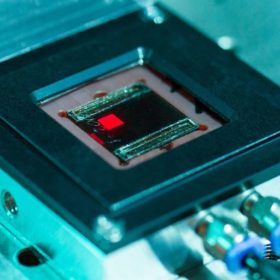
German researchers increase open circuit voltage of perovskite solar cells to 1.26 volts
The voltage is key to improving efficiency, the scientists say. It indicates how much energy is lost within the cell through ‘recombination processes’.

US leads as the volume of corporate clean energy bought smashes record
Companies in the United States accounted for more than 60% of the clean energy deals signed by corporations worldwide last year, according to BloombergNEF. A proposed renewable portfolio standard for Chinese business, though, could turn the picture upside down in a year’s time.
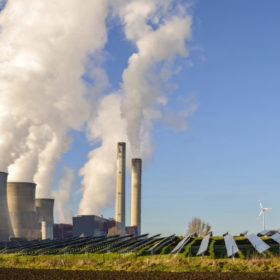
Germany considers closing coal-fired power plants by 2038
German states with coal mining regions would receive a total of €40 billion from the federal government over 20 years for structural change under the terms of the Coal Commission’s proposal, while operators of coal-fired plants would receive compensation.
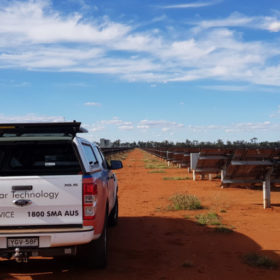
Price pressure and delivery bottlenecks lead SMA to significant loss in 2018
The German inverter maker struggled after China’s announcement at the end of May drove down prices and markets around the world and left a clear mark on its figures. Both the commercial PV segment and the storage business fell short of expectations due to delivery bottlenecks.

PV Market Alliance expects 120 GW of new solar capacity in 2019
The global market stagnated last year, with around 98 GW deployed. For 2019, the experts expect stronger solar growth, provided there are no setbacks in China.
