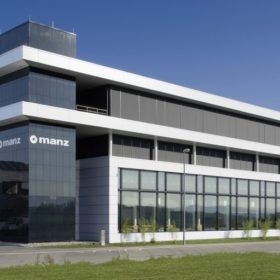
Manz, Singulus report sales increases for 2018
The two German PV equipment suppliers registered revenue increases last year and both expect positive business development in 2019.
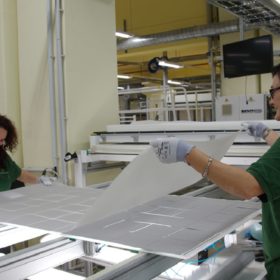
Astronergy closes German module factory
The Chinese manufacturer first announced plans to close its manufacturing facility in Frankfurt (Oder) at the beginning of this year. About 40 people who worked at the factory will now shift over to a transfer company.
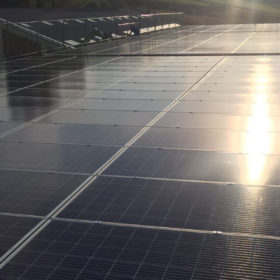
Germany deployed 1 GW of solar in first two months of 2019
Approximately 420 MW of solar power was newly installed in February. The strong growth for the first two months of the year was mainly due to the FIT cuts for commercial PV projects.
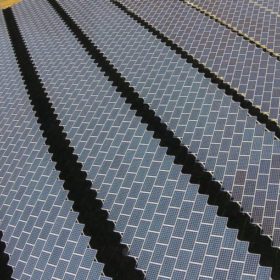
Lego owner to acquire majority stake in Enerparc unit
The two sides have agreed not to disclose the purchase price, but Enerparc’s management team will maintain a minority interest.
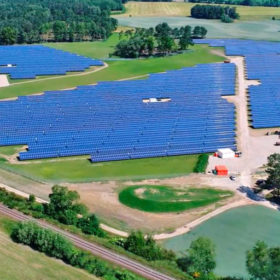
Average price in Germany’s first special PV tender reaches €0.065/kWh
Germany’s Federal Network Agency awarded 121 contracts and 505 MW of PV capacity in the auction. The bidding round was clearly oversubscribed, but 17 bids with a total output of almost 200 MW had to be ruled out due to formal errors.
SMA posts €175 million loss for 2018
The German inverter producer’s sales also fell significantly in the past financial year. With its cost reduction program, SMA is now eager to orchestrate a turnaround, but its first-quarter guidance still shows a sustained downward trend.
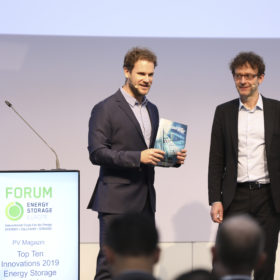
Video: Energy Storage Europe
Energy Storage Europe was held in Düsseldorf from March 12-14. Our editors checked out all the latest technologies at the exhibition. Watch as they review new products and discuss the future of power-to-gas technology.
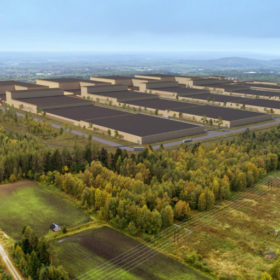
Volkswagen, Northvolt to set up battery research consortium
Automaker Volkswagen and Swedish lithium-ion battery producer Northvolt have announced plans to jointly form and lead a new organization, the European Battery Union (EBU), to conduct research on batteries used in transport and stationary energy storage applications.
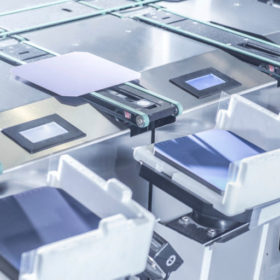
Meyer Burger joins the fray over Hanwha patent infringement claims
The Swiss solar equipment maker has endorsed a claim by Chinese solar manufacturer Longi that the technology it uses differs from that at the center of Hanwha Q Cells’ patent infringement complaints.
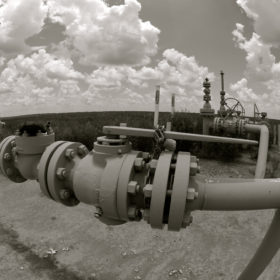
Smart electrification 36% cheaper than green hydrogen in Europe
A report commissioned by the European Climate Foundation suggests a fossil fuel-free energy system in Europe by 2050 should largely rely on smart electrification and energy efficiency. Green hydrogen deployment, the report finds, would require prohibitively expensive infrastructure investment.
