SMA posts first-quarter loss
Sales revenue declined at the start of the year despite steady inverter shipments. The reverse was mainly due to sluggish project business and SMA is predicting significant increases in sales and earnings in the second half.
IEA warning against stagnation of renewables
After two decades of growth, the amount of newly installed renewable energy capacity is no longer rising and, despite a 7% growth in electricity generation from clean energy sources, global energy-related carbon emissions have risen 1.7%.
French-German battery alliance secures €5 billion as Tesvolt works on gigafactory
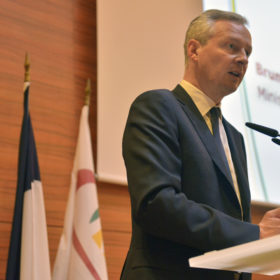
Ministers have reaffirmed plans for a Franco-German battery industry. The project is being supported in principle by the European Commission, which could give its approval by October. Meanwhile, German storage specialist Tesvolt is building a commercial storage system factory in Germany.
Germany added 350 MW of new solar capacity in March
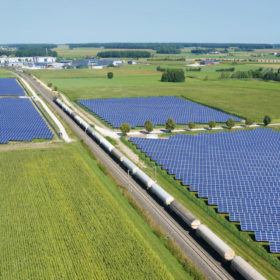
The strong growth registered in the first quarter of the year – when 1.27 GW of new PV was deployed – will prompt a 1.4% reduction in the FIT price for the three-month period up to July.
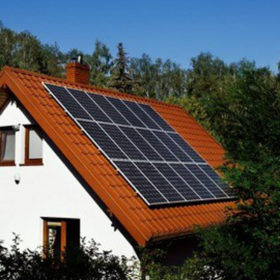
Ikea’s solar offer in Germany criticized by consumer association
The Verbraucherzentrale NRW says advertising for the Solstråle solar system is misleading and has warned the furniture provider and its partner Solarcentury Microgen (Deutschland) GmbH it will begin legal action if the campaign is not changed.
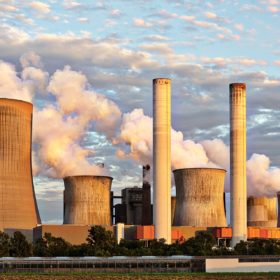
RWE abandons plans for 1.1 GW lignite-fired power station in Germany
The utility claims that current market conditions are not ideal for the project, which has been under consideration since 2012. The power station was meant to replace existing lignite capacity, and according to RWE, it would have been more efficient. The company says that it will refrain from making further investments in coal capacity while increasing its focus on renewable energy and storage.
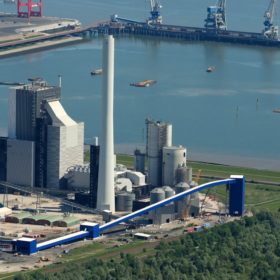
Engie to sell 2.3 GW of coal power assets
The French energy company has decided to sell its coal-fired power plants in Germany and the Netherlands to U.S.-based private equity firm Riverstone.
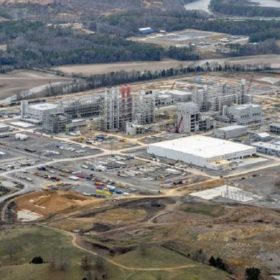
Wacker blames low poly prices for Q1 profit slump
Lower prices for polysilicon, combined with higher energy costs, pushed Wacker Chemie’s operating result for the first quarter of 2019 more than expected. However, the German company remains committed to its original annual forecast for 2019.
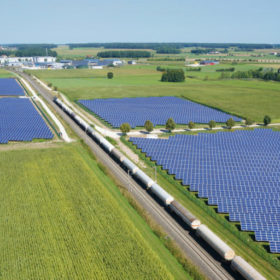
Solar, wind covered most of Germany’s power demand on Easter Monday
Renewable energy delivered 56 GW of capacity at noon on Easter Monday, with consumption coming in around 61 GW. The price on the power exchange fell to minus €83.01/MWh during peak hours.
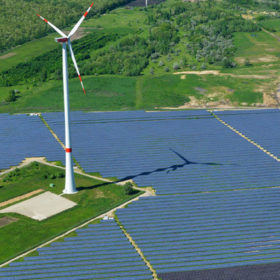
Solar once again the only winner in German renewables auctions
In the first round of this year’s mixed wind and solar tender there were only bids for PV projects. Some 18 projects with a combined capacity of 210 MW were selected and the final feed-in premium tariffs were almost the same as those seen in the previous round, with the average price slightly higher.
