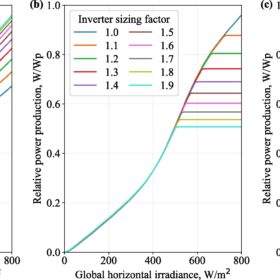
The right tilt angle, inverter sizing, row spacing for optimal yield forecast
Researchers in Hungary have found that a high tilt angle may increase power forecast errors in a PV installation by up to 49%. They also ascertained that
undersizing the inverters by a sizing factor of 1.5 may reduce forecast errors by up to 25%.
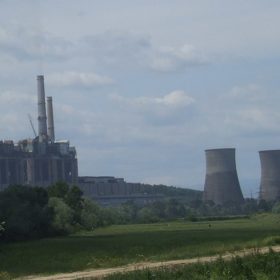
EU energy fund to commit $514 million for solar projects at Romanian mining waste sites
Panels will be installed at waste sites in five mining towns as part of the latest, €2.4 billion ($2.57 million) round of investment from a fund set up to help coal-dependent European member states with the energy transition.
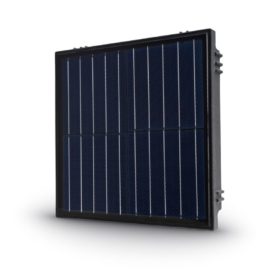
New solar module for pavement applications
Hungary’s Platio Solar has developed a new PV module line featuring monocrystalline and polycrystalline cells with clear or opal glass.
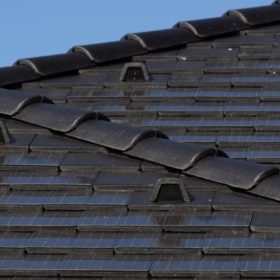
Hungarian start-up launches solar tile with output of 167W per m²
Developed by Hungarian manufacturer Terràn, the Generon solar tile is based on concrete support and weighs is in at 5.7kg.
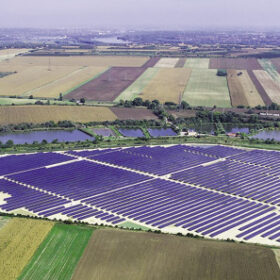
Hungary launches fifth renewables auction
The Hungarian energy regulator expects to contract around 864 GWh of renewable energy in the procurement exercise. Projects ranging in size from 5 to 50 MW will be entitled to participate.
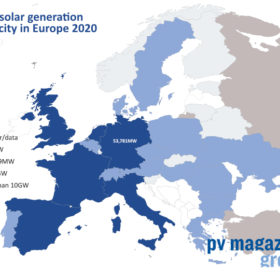
Solar the fastest growing European clean power source
The latest numbers released by EU data body Eurostat indicate renewables, including hydropower, contributed 37% of Europe’s gross electricity consumption in 2020, up from 34% a year earlier.
Hungary allocates 183 MW of solar in third renewables auction, average price for utility-scale projects at $0.049/kWh
The auction has been significantly oversubscribed and has seen 57 successful projects among 183 submitted. Around 299 GWh of power was contracted and will be provided exclusively by PV projects.
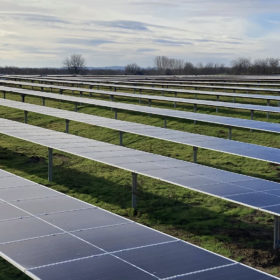
Utility scale solar goes merchant in Hungary
Photon Energy has deployed its first merchant PV project in Hungary. The company said the €1 million plant may be the first in a series selling power to the spot market. In an interview with pv magazine, Hungarian renewable energy specialist, Ferenc Kis, stated that these projects may become more frequent in the future, due to new coordinated grid connection capacity allocation.
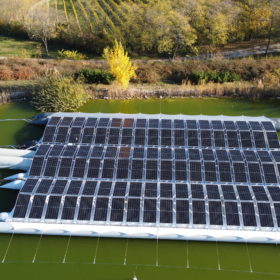
Puffer fish inspired floating PV structure
With a new system for floating photovoltaic power plants, engineers from Germany want to make the application cheaper, higher-yielding, and safer. The result is somewhat reminiscent of a pufferfish, which also gave the system its name.
Commission flags up €875m renewables project fund
A call for grant proposals has been promised this month, with the bloc’s executive yesterday firing the gun on a separate exercise related to cross-border EU energy infrastructure projects.
