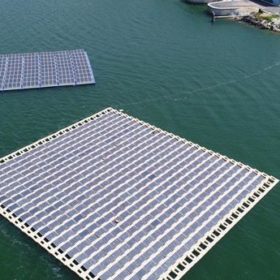
NTPC opens global bids for 20 MW floating solar project in India
The winning developer will be able to use solar modules and cells of any origin for the plant, which will be built in Auraiya district, in the Indian state of Uttar Pradesh. Bidding closes on Sept. 5.

Lowering emissions without breaking the bank in India
A combination of carbon pricing and a renewable portfolio standard for electricity companies in India will be more effective than either measure in isolation to help the nation meet its climate change targets, according to a study by MIT researchers.
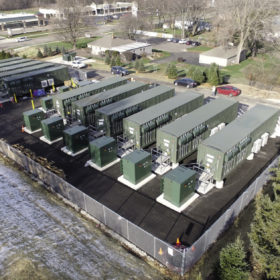
Utility scale, rather than behind-the-meter batteries will drive energy storage take-up – Bloomberg u-turn
The analyst has published its latest Energy Storage Outlook report and says large scale deployment will provide the majority of the 1,095 GW/2,850 GWh of battery storage worldwide in 2040, with prices driven down further by grid services demand and EVs.

Indian Railways to become world’s first 100% green operator, says government minister
The plan, announced in parliament, is an extension to the bid by the national rail operator to install 1 GW of solar generation capacity during the current fiscal year and hit 5 GW in 2025. The emphasis will be on trackside and static rooftop installations rather than solar train roofs, said India’s minister for railways.
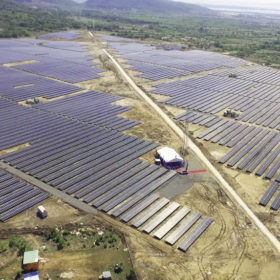
India’s renewable power generation cost the lowest in Asia Pacific
The cost of solar power generation in India has fallen to half the level seen in many other markets in the region due to extensive solar resource, market scale and competition.

Global PV market: 114 GW to be installed in 2019, with continued growth onwards
According to the latest market forecast published by Wood Mackenzie, it seems that global PV installation figures will rise to 125 GW per year from 2020. Continued global capacity expansion will come in through a growing gigawatts-club.
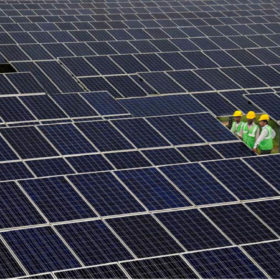
Avaada Energy to set up 2 GW of solar plants in India
Currently, the independent power producer has a portfolio of over 500 MW under India’s open access solar policy, with leading IT and manufacturing giants among its client base.

Interview: Fimer CEO Filippo Carzaniga discusses acquisition of ABB inverter business
After the bombshell news this week, the Italian inverter manufacturer’s CEO spoke to pv magazine about the future of ABB’s R&D hubs, manufacturing sites, hundreds of employees and of course Fimer’s outlook.

Renewables generation cheaper than coal for many power companies – but not yet for Eskom
An investor tool examining the coal fleets of major global power companies has offered up analysis which flies in the face of arguments solar and wind generation could help turn around the debt-saddled South African utility.
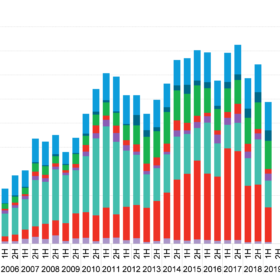
Global renewables investment fell in the first half of this year
While Spain, Sweden, Ukraine and Brazil attracted more funds than last year, China’s transition to an auction-based procurement system and slow performance overall in Europe saw worldwide backing decrease. BloombergNEF does expect investments to ramp up in the second half, however.
