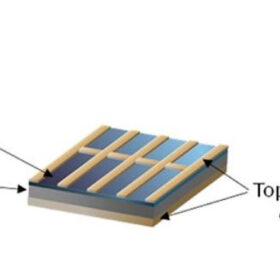
PEDOT:PSS/silicon solar cell built at room temperature with 10.1% efficiency
Japanese researchers have fabricated a heterojunction (HJT) solar cell with silicon and a polymer material known as PEDOT:PSS under room temperature conditions. It has an efficiency of 10.1%, an open-circuit voltage of 0.57 V, a short-circuit current density of 33.3 mA/cm2, and a fill factor of 0.53.

Daikin starts building heat pump factory in Poland
Daikin has started building its first heat pump factory in Lodz, Poland. The Japanese heating manufacturer will invest €300 million ($327.2 million) in the new facility, which is expected to start operations in July 2024.
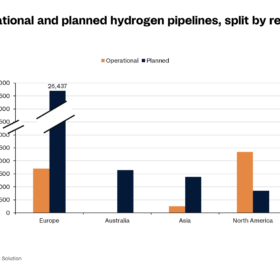
The Hydrogen Stream: Global pipeline projects to surge by 2035, says Rystad
Norwegian consultancy Rystad Energy says that hydrogen pipelines will be “far better” than vessels at moving hydrogen over short- and medium-range distances in the years ahead.
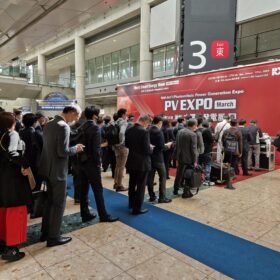
PV Expo 2023: Japanese solar’s struggle for space
PV Expo and the wider Smart Energy Week wrapped up in Tokyo last week. It revealed ambitious plans for solar and energy storage installations in Japan, including creative approaches to dealing with a severe lack of space for new installations, which should bring plenty of opportunities for domestic and international players.
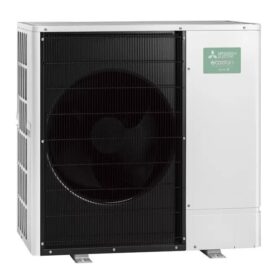
Mitsubishi unveils propane heat pump for residential applications
Mitsubishi Electric has developed an air-source heat pump that uses propane (R290) as the refrigerant. It can produce between 5 kW and 8.5 kW of heat and domestic hot water to a temperature of up to 75 C.
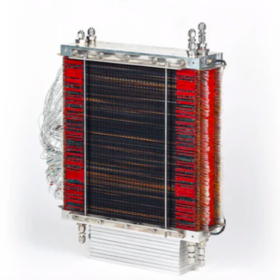
The Hydrogen Stream: Fuel cells for large aircraft nearing development
In its bid to develop fuel cells for aircraft with over 100 seats within 24 months, ZeroAvia has revealed record-breaking hydrogen fuel cell performance tests. Meanwhile, Universal Hydrogen and local partners are teaming up to build hydrogen infrastructures for aviation in Japan amid a push towards hydrogen infrastructure and mobility.
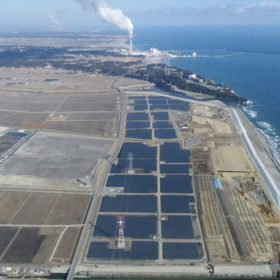
Still big in Japan?
A flat year for solar installation numbers in Japan could be seen as positive in a nation switching to new PV business models, writes Izumi Kaizuka, director of research for Japanese solar consultancy RTS Corp.
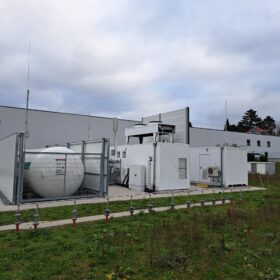
The Hydrogen Stream: German grid operator increases hydrogen blend in regional gas network
Netze BW has increased the amount of hydrogen it is injecting into the regional grid of Oehringen, in the southwest of Germany, from 20% to 30%. pv magazine spoke with the project leader, Heike Grüner, about the next phases of the project.

The Hydrogen Stream: Japan finances Australia’s plan to produce H2 from coal
A Japanese state innovation fund has agreed to finance a coal-to-hydrogen project in Australia, while Honda says it has taken another step toward the commercialization of zero-emission backup power generation.
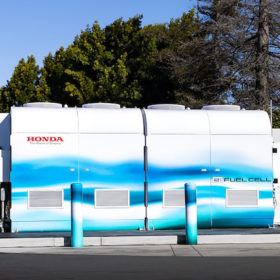
Honda reusing vehicle fuel cells to build 500 kW stationary fuel cell system
Honda has revealed that it is testing a pilot stationary fuel cell stationary power system in California.
