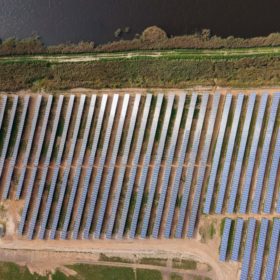
Latvia to host 400 MW solar plant
A Latvian developer is building a large-scale PV facility near the Russian border. The plant will provide some of the electricity that the Baltic country will no longer receive from Russia, following the planned desynchronization of the two energy systems in 2025.
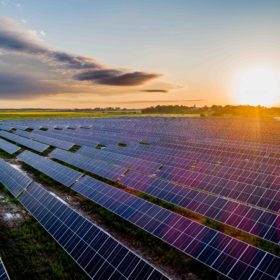
Latvia to host 100 MW of unsubsidized solar
Vilnius-based Green Genius has revealed that it will build an unsubsidized PV installation in Jekabpils, Latvia. Upon completion, the 100 MW project will be the country’s largest solar installation to date.
Hybrid solar-wind project moves forward in Latvia
Lithuanian energy company Ignitis has purchased a 200 MW hybrid solar-wind project in Latvia. The installation is in the early stages of development, with construction scheduled to begin in 2025.
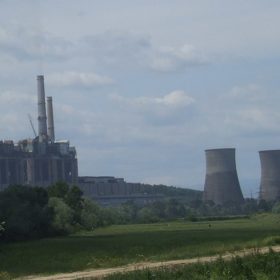
EU energy fund to commit $514 million for solar projects at Romanian mining waste sites
Panels will be installed at waste sites in five mining towns as part of the latest, €2.4 billion ($2.57 million) round of investment from a fund set up to help coal-dependent European member states with the energy transition.
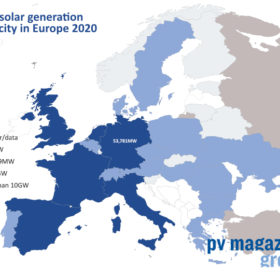
Solar the fastest growing European clean power source
The latest numbers released by EU data body Eurostat indicate renewables, including hydropower, contributed 37% of Europe’s gross electricity consumption in 2020, up from 34% a year earlier.
Latvian plan to exempt big energy consumers from renewables surcharge approved by EU
The Baltic state has offered energy-intensive, international-facing industries up to an 85% discount on a surcharge levied on electricity consumers since May 2017 and made the scheme wider ranging this year, in a move approved by the European Commission.

EU raises another €9bn for Covid recovery
The latest, seven-year investment attracted offers worth more than €100 billion from investors and means the European Union has already generated €54 billion of the €80 billion of bond proceeds it is aiming for this year, as part of its five-year, €800 billion NextGenerationEU support package.
Commission flags up €875m renewables project fund
A call for grant proposals has been promised this month, with the bloc’s executive yesterday firing the gun on a separate exercise related to cross-border EU energy infrastructure projects.
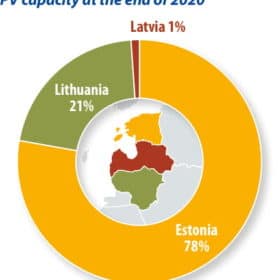
PV policy developments in the Baltic states
Estonia, Latvia and Lithuania have seen uneven development in PV installations to date, and the three Baltic states are still highly dependent on imports from Russia. Estonia needs to replace aging energy infrastructure, and so far it has led the region in PV deployments. Latvia, meanwhile, has a high level of hydro in its energy mix, and less incentive to build PV. IHS Markit analyst Susanne von Aichberger examines the latest policy developments in the Baltic states.
Estonian companies working on a green hydrogen value chain in 5 to 10 years
Estonia relies heavily on oil shale, which accounts for 4% of the country’s GDP. The Baltic state is working to increase green hydrogen production, but PV is projected to maintain a marginal role despite the recent growth. We spoke about it with Estonian energy company Alexela and cleantech start-up PowerUP Energy Technologies.
