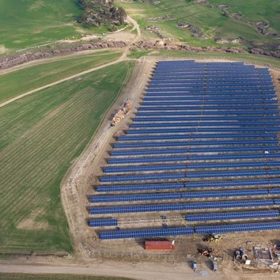
Cyprus set to install its first battery storage and blockchain systems
The University of Cyprus announced plans a few years ago to build a solar PV farm in the United Nations buffer zone in the capital city of Nicosia. The project is finally coming to fruition, but with two additional elements: battery storage and testing for a blockchain system.
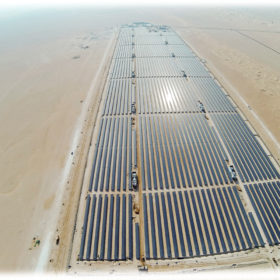
Phase IV of 5 GW Mohammed bin Rashid Al Maktoum Solar Park reaches financial close
Phase IV of the huge solar park includes a 700 MW CSP plant and a 250 MW PV facility. Funds for the $4.2 billion project will be provided by banks from the United Arab Emirates and China, as well as other international lenders.
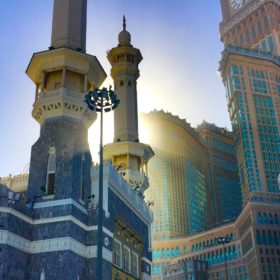
Saudi Arabia plans 2.6 GW solar park near Mecca
The Faisaliah Solar Power Project is planned to be developed in several stages by the Saudi Ministry of Energy, Industry and Mineral Resources and the Development Authority of Mecca. Only 600 MW of the project will be tendered by the REPDO, while the remaining 2 GW will be built by the country’s Public Investment Fund along with its partners.
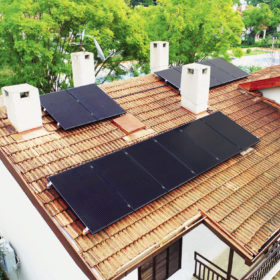
The weekend read: Land of the Crescent Sun
Despite its abundant solar resources, Turkey’s potential for solar energy development remains largely untapped. Although the market grew considerably between 2017 and 2018, the outlook for the next two years, due to the macroeconomic situation and the current regulatory framework, appears rather gloomy. If regulations will not be changed, and tenders for large-scale solar remain unimproved, unsubsidized PV and self-consumption may remain the best options available to seek more growth.
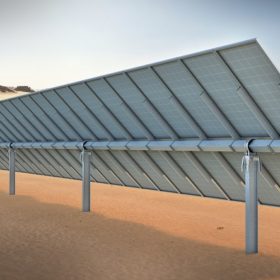
Rise of bifacial lifts profits for the world’s tracker companies
Things are hotting up in the tracker world as the desire to squeeze down the price per Watt of solar power intensifies. And the rise of the trackers is attracting some well-known businesses to buy their way into the field.
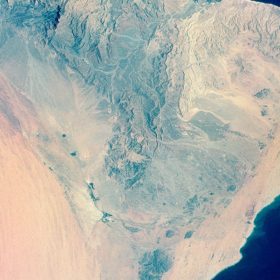
ACWA triumphs again in Middle Eastern tendering exercise
With no details reported on the final electricity price agreed for a 500 MW solar project to be built in Oman, speculation will center on whether the victorious Saudi power company and its Kuwaiti partners have again trumped lower offers from overseas rivals.
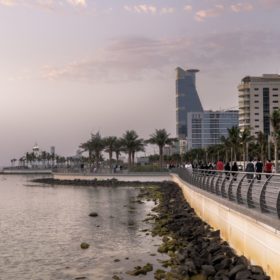
Saudi Arabia’s 1.5 GW tender attracted more than 250 companies
More than 100 domestic companies are reportedly in the running for a seven-project portfolio that is expected to generate around $1.5 billion of investment – and they will fancy their chances against overseas developers.
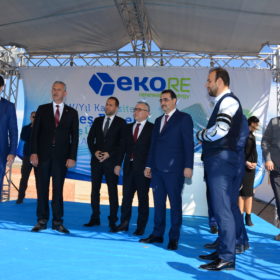
EkoRE breaks ground on 1 GW vertically integrated module factory in Turkey
The facility is in the Bor organized industrial zone of Niğde, in central Anatolia. The factory was backed by incentives provided by the country’s Ministry of Energy and Natural Resources.

Shortlisted bidders go forward in Lebanon’s 180 MW, 12-plant tender
Lebanon’s Ministry of Energy and Water has qualified 28 domestic and international firms to enter the next stage of a tender for 180 MW of solar generation capacity.
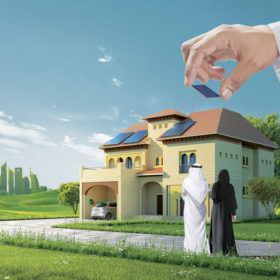
DEWA to mount solar rooftops on 10% of Dubai homes
Dubai’s residential sector is set to experience a lift this year thanks to plans to install solar rooftops on 10% of the emirate’s homes. The DEWA-funded rooftop program was launched under the Shams Dubai initiative, which offers net-metering for small-scale solar.
