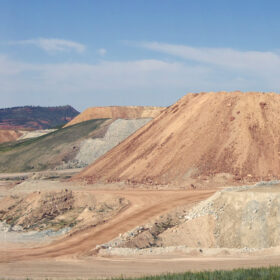
World’s largest phosphate miner turns to solar
OCP Group has unveiled a plan to power its operations in Morocco with 200 MW of solar plants, backed by $110.5 million of financing.
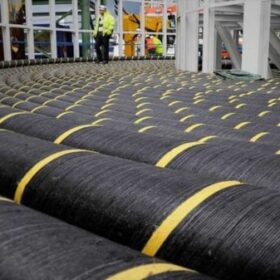
UK government scrutinizing British-Moroccan solar-wind interconnector
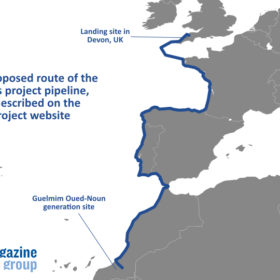
The UK government is now evaluating a 3,800-km submarine cable that Xlinks plans to build. It will connect a 10.5 GW wind-solar facility in Morocco to locations in Wales and England. The UK authorities might eventually buy power from the plant via a contract-for-difference scheme.
The Hydrogen Stream: Lhyfe, Centrica to develop offshore green hydrogen
Lhyfe has revealed plans to jointly develop offshore renewable green hydrogen with Centrica in the United Kingdom. Separately, the Paris-listed hydrogen producer said it has also acquired a stake in Finland’s Flexens.
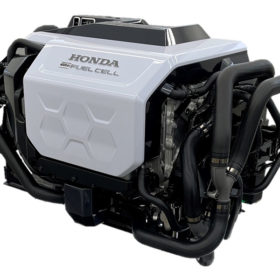
The Hydrogen Stream: Honda reveals plans to halve fuel cell costs by 2030
Honda has revealed a new hydrogen strategy, while Air Liquide and TotalEnergies have announced a new hydrogen joint venture.

Only5mins! – ‘Additionality’ must be adhered to in Africa’s green hydrogen development
Chigozie Nweke-Eze is an economist, geographer and founder of Integrated Africa Power. He sat down with pv magazine to discuss green hydrogen development in Africa, from the project pipeline to the necessity of “additionality” when it comes to ensuring hydrogen doesn’t become yet another exploited African resource.
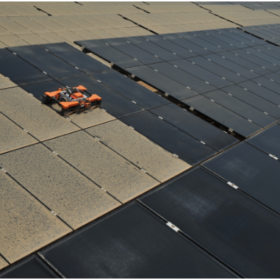
Impact of dust, heat, soiling on solar project performance
Scientists in Morocco recently conducted a year-long study on the impacts of soiling on PV modules in arid, dusty conditions. They found that soiling could contribute to daily performance losses of as much as 15%.
Next year will bring micro and mega grids
This year has witnessed upheaval in the global energy system as inflation, geopolitical conflict, and the reality of a changing climate continue to drive the transition to cleaner energy. Next year, these trends are likely to continue and accelerate as renewable energy adoption continues to grow and the inextricable link between energy security and national security is increasingly recognized. Alan Greenshields, of US-based iron-salt flow battery maker ESS Inc, offers four predictions for 2023.
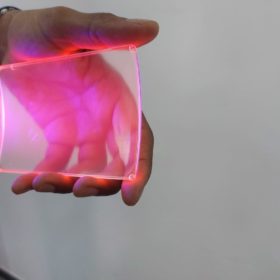
Luminescent solar concentrators for agrivoltaics, greenhouses
Moroccan researchers have proposed the use of luminescent solar concentrators for power generation in greenhouses and agrivoltaic projects. They say they are capable of producing electricity in low-light illumination and converting ultraviolet light to visible light that could be used for crops.
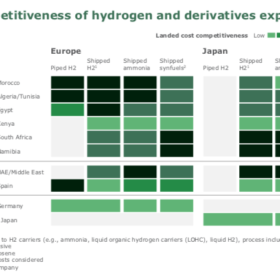
The Hydrogen Stream: Africa could become key green hydrogen market by 2050, says Masdar
Masdar says Africa’s annual hydrogen exports could hit 40 million tons by 2050, while Israeli researchers have published a new study on the discharge characteristics of oxidized intermediates formed under water photo-oxidation conditions.
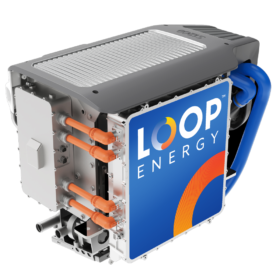
The Hydrogen Stream: Canadian startup unveils 120 kW fuel cell system
In other news, Alstom tested its hydrogen train for long-distance transportation and the IEA released a report suggesting that hydrogen development may require an annual investment of around $60-130 billion through 2030.
