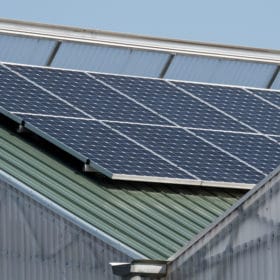
Gravity-based storage for distributed solar
An international research team has designed a residential solar-plus-storage system based on gravity. The system was built with a solar power generator, a bulk booster charge controller, an inverter, a solenoid device, a deep cycle battery, a pulley block, a geared motor, a microcontroller, and wire ropes. Its creators said the system is ideal for regions with high solar radiation. They found that, due to its high electrical requirements, the system needs to rely on high-power solar modules with an output of over 500 W.
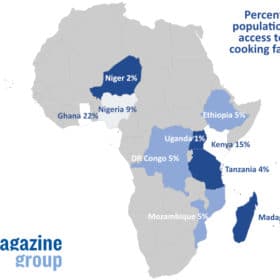
Universal electricity access by 2030 remains a distant dream
Energy efficiency, electrification of heating and transport, and the provision of clean cooking facilities are all going in the wrong direction as the Covid crisis deprived millions in sub-Saharan Africa of electricity use, according to a report by the IEA, IRENA, WHO, World Bank and UN Statistics Division.
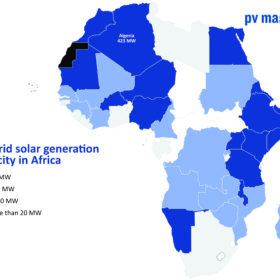
Rising hardware costs slow Covid recovery for off-grid solar sales
The global off-grid solar appliance market began an uneven recovery from the worst ravages of the global pandemic in the second half of last year, according to market body GOGLA, but more finance and policy support must be made available to have any chance of achieving universal electricity access this decade.
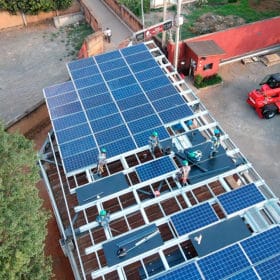
African solar installers feel the pinch of rising panel prices
With Chinese manufacturers having warned they will pass on escalating component costs, and shipping expenses soaring since last summer, the rising price of solar is forcing some installers to redraft quotes, pv magazine has discovered.
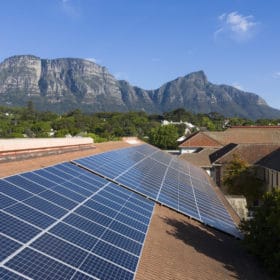
Storage and PAYG critical to deployment of African off-grid renewables
The former need not necessarily relate to conventional lithium-ion batteries, however, as a recent webinar staged by Solarpower Europe and EU body GET.invest discovered.
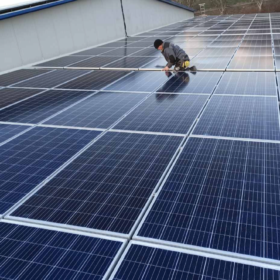
IFC says green recovery could drive $2.5tn renewables market this decade
The private-sector arm of the World Bank, which claims to leverage $3 of its own capital and $8 from third parties for every dollar invested in its blended finance funds, has attempted to quantify what devoting Covid recovery funds to green investment would mean for emerging economies.
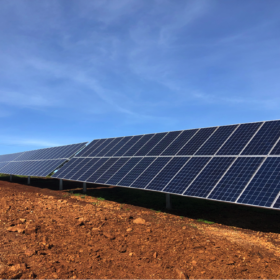
Crossboundary offers up its mini grids business model for African peers to benefit
The Kenyan financial services business has been developing rural mini grids across Africa and has announced plans to show its rivals how such networks can thrive, in a bid to accelerate access to electricity on the continent.
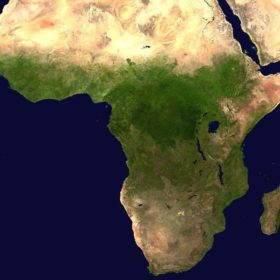
African governments doing too little to drive clean energy
Covid-19 rescue measures such as delaying electricity bill payments pile added pressure onto energy companies already hit by pandemic-related falls in demand in a continent which a new study suggests is too dependent on donor aid for the development of renewables.
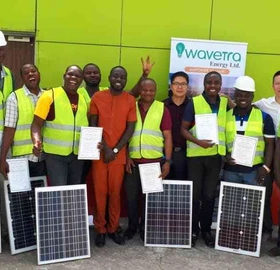
Renewable energy education fast changing Nigeria’s employment landscape
Renewable energy training institutes are springing up all over Nigeria, empowering an army of young people with solar technology skills in a country where unemployment is a huge challenge.
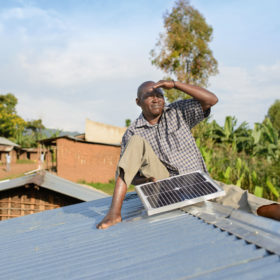
Off-grid solar funding concentrated in just three companies
With a previous 50-50 split between equity and debt investment funding for the off-grid market lurching to 84% borrowing, and commentators stating most of this year’s backing was agreed before the onset of Covid-19, fears are mounting about the prospects for the sector.
