
Sahel regional leaders give new push for 10 GW Desert to Power initiative
The African Development Bank last year disclosed a plan to install 10 GW of solar in the deserts of the Sahel. A recent summit held in Burkina Faso may have brought the ambitious project a step closer.
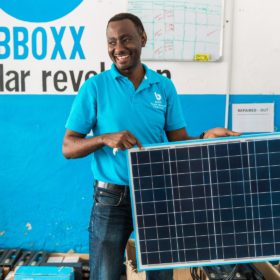
The rise and rise of Bboxx: Off-grid solar supplier lands another $50m
The solar home system company, which enables customers to pay their solar electricity bill through an app on their mobile on a PAYG basis, has conducted a monumental funding round as it eyes expansion to become a fully-fledged pay-as-you-go utility.
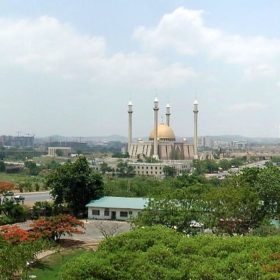
Nigeria aims to lower solar electricity tariffs agreed three years ago
In July 2016 Nigeria signed power purchase agreements with 14 utility scale PV projects with a total generation capacity of 1,075 MW. None of the projects has reached financial close and pv magazine has learned the government wants to reduce the agreed tariffs.
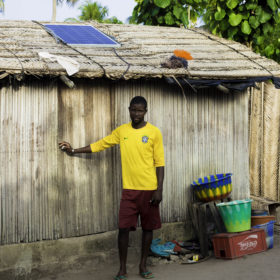
Lumos CEO: ‘There is room for PV of all shapes and sizes in Africa’
pv magazine caught up with the chief exec of the pay-as-you-go solar home system provider to get his thoughts on the claim mini and microgrid business models don’t stack up and the suggestion government-driven utility scale solar should light the way in the sub-Saharan marketplace.
Nigeria taps mini-grids to power universities
Four Nigerian universities are in the final stages of abandoning the country’s main grid to be fully powered by mini-grids. Nigeria aims to use more mini-grid technology to power its people by tapping a $550 million World Bank loan.
Marubeni leads $26m investment in off-grid African solar
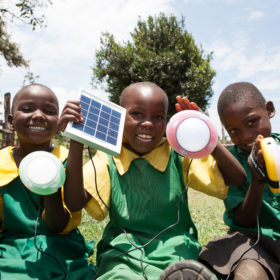
The Japanese conglomerate is leading a $26 million equity investment in Azuri Technologies, which provides pay-as-you-go solar home solutions to off-grid communities throughout sub-Saharan Africa.
African nations could install 30 GW by 2030: BSW-Solar
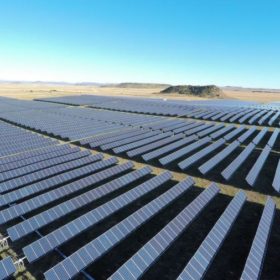
A new report analyzing 10 solar markets throughout Africa claims that the continent’s PV market could expand from about 5 GW at present to up to 30 GW by the end of the next decade.
Shell Foundation and Rockefeller support $11bn African mini-grids fund
Crossboundary Energy Access – which claims to be the continent’s first mini-grid financing facility – wants to unlock $11 billion in private capital to bring energy to 100 million people in sub-Saharan Africa. Raising capital has been a struggle despite mini-grids being lauded as a solid solution for electrification.
African commercial and industrial PV market grows on the back of outages and high tariffs
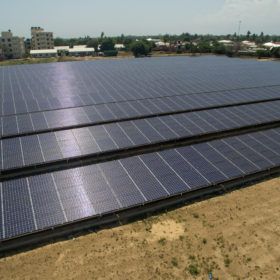
According to a new report from BloombergNEF, cheap solar energy could benefit many businesses in sub-Saharan Africa. However, regulatory and financial obstacles are causing concern.

Tender for 15 MW/5MWh solar-plus-storage project released in Nigeria
The University of Benin has started the qualifiction stage of the tender for a project that will be developed as a public-private partnership.
