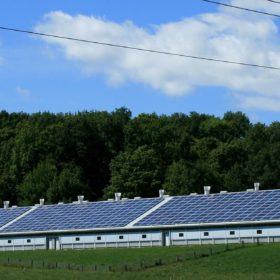
New business model to help utilities own and operate rooftop PV
Scientists from the Lawrence Berkeley National Laboratory in the U.S. have defined a utility-ownership model for rooftop PV they say could raise power company shareholder earnings 2-5%.

Strategies to improve rechargeable zinc metal batteries
A lack of standardized protocols is preventing rechargeable zinc metal batteries from complementing lithium-ion storage tech. A U.S. research team is now calling for standardized protocols for columbic efficiencies and greater zinc/electrolyte stability to make the technology viable.

World’s largest battery storage system now operational
It’s a title that is becoming more contentious by the day, but for the time being, LS Power’s 250 MW Gateway project in San Diego, California, is the biggest storage battery in the world.
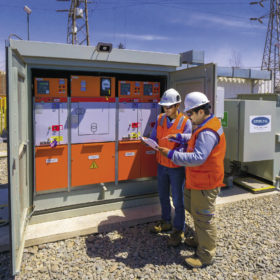
Covid-19 weekly round-up: Differing opinions on energy storage fall-out, a trade show update and some surprisingly positive financials
Negative second-quarter updates from China and uber-low new-solar figures from India, however, show the world is far from out of the woods yet.
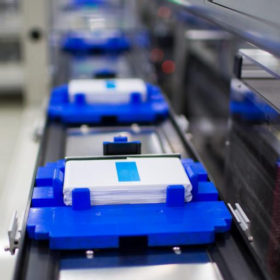
Lithium battery equipment makers buffeted by Covid
Grid scale lith-ion batteries may be multiplying Stateside, but an expected recovery in the production line segment will be put on hold until next year because of the pandemic, according to one analyst.

The ‘rubber-band effect’ on renewable energy project margins
David Riester of Lacuna Sustainable Investments, looks at how, on the journey from concept to monetized power plant, renewables and energy storage projects tend to get tugged toward ‘zero’ margin, from either direction. The further the rubber band is stretched, the stronger the pull back toward zero.
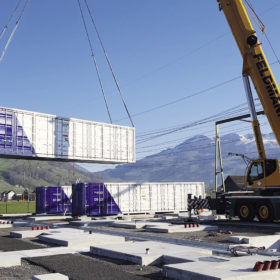
Energy storage investment to approach $10bn in 2025
Analyst IHS Markit has predicted storage will rebound this year following its first year-on-year decline in 2019. The technology is being rolled out at pace despite Covid-19 with state-level policies set to keep the US the global capital for the next five years.
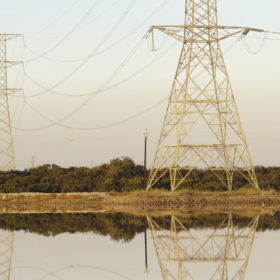
Energy deal activity down in the Americas but renewables show strength
An Ernst & Young report has found power and utility deals fell off markedly in the Americas during the first half of the year because of the Covid-19 pandemic but commitment to clean energy investment appeared to remain strong.
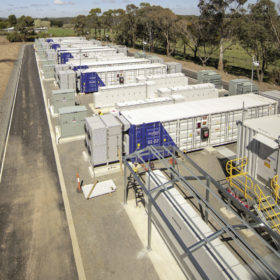
“Capacity deferral is the primary source of storage value”
Big batteries derive most their value from replacing gas peaker plants and averting the installation of excessive amounts of transmission and generation infrastructure. However, batteries cannot replace all gas plants, MIT researchers found. From a holistic economics perspective, there is a certain share of storage that is considered cost-efficient. With battery costs declining, that share is constantly increasing.
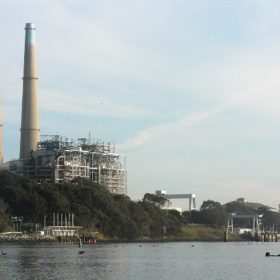
Plan to deploy 1,500 MW/6,000 MWh storage project gets approval in the US
A permit to expand Vistra’s natural gas-fired Moss Landing generation station to 1,500 MW/6,000 MWh has been approved, setting the stage for the world to see gigawatt-scale battery energy storage for the first time ever.
