SN Power acquisition secures 10.5 GW pipeline for developer Scatec
The renewables business formerly known as Scatec Solar has added a 2.5 GW hydropower portfolio in Asia and sub-Saharan Africa and also added its first wind farm while reporting a consolidated loss of almost $43 million for the year.
Self-cleaning tech for small off-grid PV arrays
A U.S.-Pakistan research group has created a new self-cleaning mechanism for standalone PV systems up to 5 kW in size. The system increases power yields by around 35%, while its payback period is estimated at around five years.
Online algorithm to estimate open-circuit voltage in PV systems
The new technique, proposed by researchers in Pakistan, is claimed to estimate the voltage, current and temperature of a PV system without interrupting the power flow to load.
Rectangular aluminum fins for PV module cooling
Scientists in Pakistan have proposed a new passive cooling technique which they claim can improve a module’s open-circuit voltage by up to 12.97% and its efficiency by up to 2.08%.
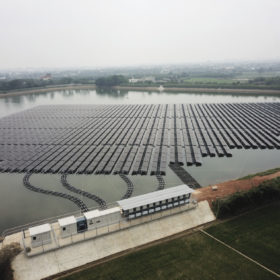
Floating PV paired with hydroelectric dams to cover peak load
A research team from Pakistan has modeled the addition of a floating PV array to an existing dam project to increase the availability of power during peak load hours.
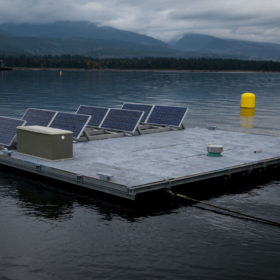
Active cooling for PV modules in floating arrays
Saudi Arabian and Pakistani scientists have created a serpentine cooling block structure to improve the efficiency of PV panels in floating solar projects by around 1.5%. The cooling block can be filled via a low-cost, 15.6 W commercial 12 V DC water pump with cool water.
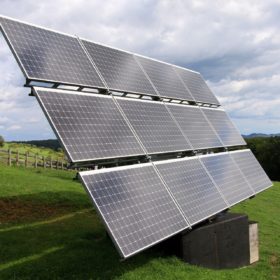
Fuzzy logic MPPT to improve PV system performance
A Pakistani-Chinese research group has demonstrated a new maximum power point tracking method, based on a fuzzy logic algorithm to provide faster results. The converter tech is claimed to have an impact on PV system efficiency and provide isolation between the load and the PV array.
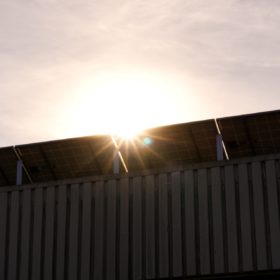
Cooling PV modules with passive technique based on finned heat sink
A Pakistani research team has assessed the performance of a passive heat sink cooling technique in two different configurations: one using rectangular fins and one based on circular fins. The rectangular configuration was the best in terms of heat rejection. Modules mounted with this solution had a 6 C lower temperature than modules without cooling systems.

Pakistani regulator expects solar capacity to hit 27 GW by 2047
Solar and wind are expected to account for a growing share of the electricity mix in the years ahead, rising from around 3% at present to 23% by 2030. Over the following two decades after that, however, this share will likely remain unchanged, as the national regulator expects the country to deploy more coal-fired generation capacity.
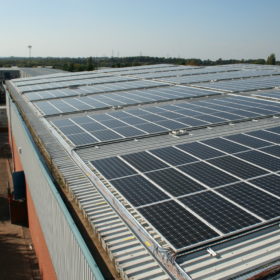
The best string configurations to avoid mismatch losses from rooftop PV shading
Researchers in Pakistan have evaluated the impact of shading on inverter set-ups to assess PV system performance. Tests were conducted on a 51 kW system featuring SMA inverter topologies but the researchers say the findings could be applied to products from other manufacturers. The results showed the number of maximum power point trackers is important but levelized cost of energy calculations are also crucial to selecting the right inverter configuration.
