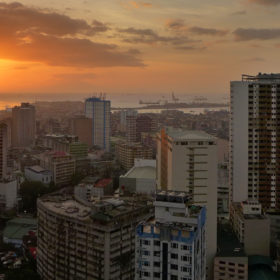
Daily news round-up: Philippines could be set for 1.5 GW more solar and Tesla CEO has been dreaming of electric flight
Plus, details have been revealed of a 2 MW/2.5 MWh grid scale storage demo project in Switzerland and for a peer-to-peer renewable energy certificate marketplace in Southeast Asia.
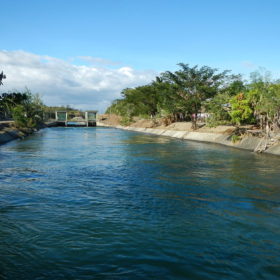
Philippines’ nexus approach for water and solar power supply
The country’s National Irrigation Administration will bet on floating PV and solar-powered irrigation to improve water and energy supply. The Pantabangan and Casecnan dams, in the province of Nueva Ecija in the Central Luzon region, have been identified as ideal locations for floating solar.
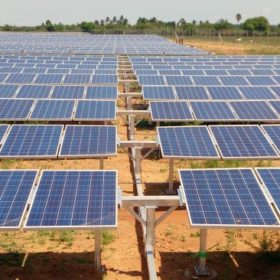
Covid-19 pandemic puts 150 GW of PV, wind at risk in Asia
Up to 150 GW of PV and wind projects could be postponed or canceled throughout the Asia-Pacific region by 2024 if the coronavirus-triggered recession continues beyond the current year, according to new research by Wood Mackenzie.

Covid-19 weekly briefing: A cold wind for APAC renewables, respite for Indian developers and another salary cut for SunPower execs
The coronavirus epidemic continues to batter the global economy, including the solar industry, but falling demand during lockdowns has brought negative energy prices as well as helping drive record solar generation, amid less-polluted skies.
Philippines wants auctions for 2 GW of renewables
The government is planning to introduce a procurement regime this year which the Institute for Energy Economics and Financial Analysis says could drive the price of clean electricity as low as PHP3/kWh. It is thought projects which missed the feed-in tariff scheme deadline will be eligible to compete in the auctions.
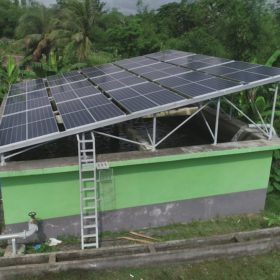
Crop yield rises with solar-powered irrigation
PV systems have helped farmers in the Philippines become less dependent on rain. Projects in Camarines Sur have shown pumping water with solar is not only cheap but can also raise rice yield.

Singapore developer announces $20m plans for four more Philippines microgrids
WEnergy was celebrating the commissioning of its solar-diesel-storage off-grid network on the island of Palawan. Four more networks could come online within two years, said the developer, as part of a planned 15 microgrids in the nation.

PV to address water scarcity
The government of the Philippines will spend $500 million on solar-powered water supply and desalination in remote areas of Mindanao, the second-largest island in the archipelago. Elsewhere, a Finnish study has suggested drought-hit Iran could benefit from renewable-powered desalination.

Shell to power Philippines refinery with solar, storage and natural gas
In a bid to reduce its carbon footprint the oil giant is ramping up its renewable energy production at a refinery in the Philippines. The news was announced by the company in a week which saw it named seventh worst corporate contributor to the climate crisis since awareness of emissions-related damage first emerged.

Philippines city prepares for 50 MW solar project first
Bacolod is expected to host its first large scale PV project within a year after domestic renewables firm Amatera signed a deal with Korean business TPC Construction Corp.
