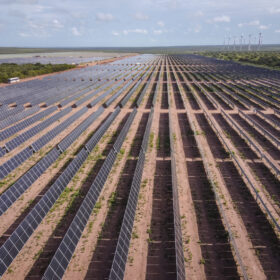
Capex-driven strategies can reduce solar LCOE by 20%
An international research group has conducted a literature review of capital expenditure-driven levelized cost of electricity optimization strategies for utility-scale PV systems. Tracking optimization, system voltage escalation, and advanced system design are identified as the most promising cost reduction areas. “The next wave of PV research must be LCOE-native, system-level, and deployment-validated,” a member of the research group said.
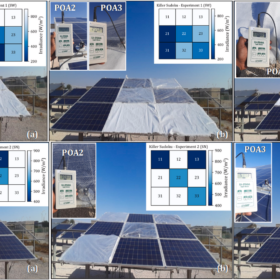
Using Asterisk Sudoku for PV system reconfiguration under shading conditions
Researchers in Qatar have used an algorithm relying on a variant of the popular logic-based puzzle to determine the optimal way to eliminate cluster shading. They have tested the new approach under fixed and moving shadows.

QatarEnergy selects Samsung C&T for 2 GW solar project
South Korea’s Samsung C&T Engineering & Construction Group is set to build Qatar’s largest solar project to date. The first gigawatt of the 2 GW project is expected to be online by the end of 2028.
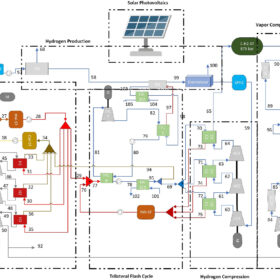
The Hydrogen Stream: Qatari team outlines solar hybrid station design
Qatari researchers tell pv magazine that they have designed the world’s first hybrid station concept combining PV, liquid air, hydrogen storage, and batteries for EV charging and hydrogen refueling.
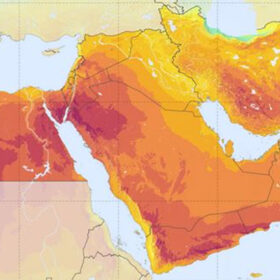
New method for PV site suitability mapping
Scientists in Malaysia have developed a novel deep-learning method for PV suitability mapping. Applying the new approach to the Middle East, they found that approximately 5.8% of the region has very high suitability and 11.5% is highly suitable for PV energy development.
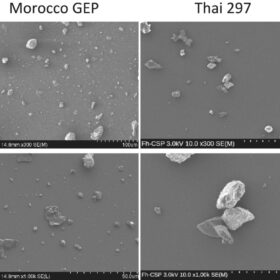
Different dust, different impact on PV module performance
Scientists in Germany have collected dust from Qatar, Morocco and Thailand to analyze the impact on the performance of uncoated solar glass and uncoated PV mini-modules. Their analysis has shown that dust coverage could range from 4% to 60%.
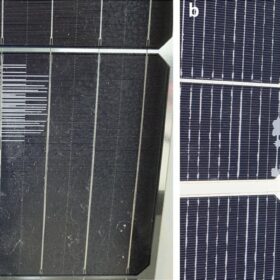
Three-year field test shows TOPCon, HJT solar module reliability in desert areas
A three-year field experiment comparing the performance and reliability of passivated emitter and rear cell (PERC), tunnel oxide passivated contact (TOPCon), and silicon heterojunction (SHJ) modules in desert climates found that HJT modules exhibited the highest degradation, while TOPCon modules showed the lowest degradation.

New method to optimize bifacial PV system performance in residential applications
Scientists in Qatar have outlined a new approach to optimize residential bifacial PV systems by combining south-facing and vertically mounted east-facing configurations. The novel methodology reportedly results in a 21.6% increase in a system’s net present value.

QatarEnergy switches on 875 MW of solar
The inauguration of two solar projects with a combined capacity of 875 MW has more than doubled Qatar’s installed solar capacity.

The Hydrogen Stream: MENA H2 projects surge in 2024
Dii Desert Energy says hydrogen projects in the Middle East and North Africa (MENA) surged to 117 installations in 2024, with 90% classified as green, while Plug Power has introduced the first-ever spot pricing program for liquid green hydrogen.
