
Saudi Arabia commissioned no solar projects last year
Plunging regional solar tariffs reportedly prompted attempted renegotiations of agreed solar power prices with the result the kingdom made no progress towards its renewable energy goals in 2020.
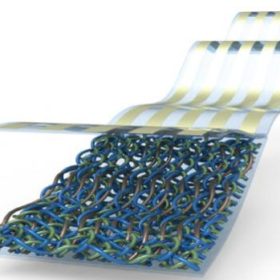
Herbicide may improve organic cell efficiency by up to 1.6%
Researchers in Saudi Arabia claim to have increased the efficiency of organic PV devices with diquat, a compound used in herbicide. The molecular diquat dopant increased optical absorption and the lifetime of electrical charges when light was absorbed.
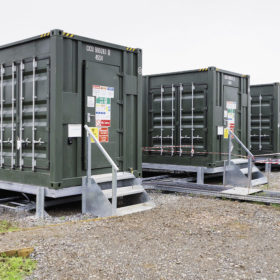
How to grasp the monetary value of storage
Researchers in Saudi Arabia have conducted a review of all current techniques used to calculate the monetary value of storage. They found that batteries secure the most value in providing ancillary services.
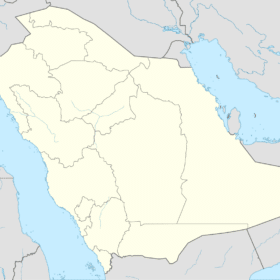
Solar will dominate Neom City’s energy mix, but CSP may prevail
Saudi Arabia’s futuristic Neom City will not use the cheapest sources of renewable energy, but those with the best chances of being dispatched, due to the storage potential of concentrated solar power. But several issues must be addressed to make the tech viable.
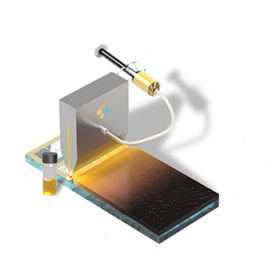
23.8% efficient tandem cells via slot-die coating
Scientists in Saudi Arabia demonstrated a slot-die coating process for production of perovskite solar cells from a specially engineered ‘ink’. Using the process, the group fabricated a perovskite/silicon tandem cell that recorded 23.8% efficiency.

World could add more than 900 GW of solar by 2025 if politicians grasp the nettle – IEA
With the International Energy Agency publishing its latest five-year clean energy forecast today, pv magazine takes a look at the solar content of the 162-page document.

Plasma passivation process to cut silicon cell costs
Scientists in Saudi Arabia have developed a new passivation process for n-type silicon solar cells, which they say could offer a simpler, lower-cost alternative to current processes used in manufacturing. The group fabricated wafers using this process with promising results, and now plans to integrate the process into a full silicon cell.
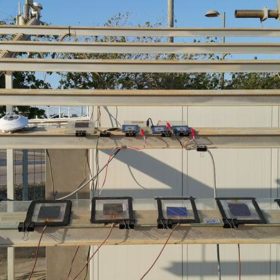
Tandem cells head outdoors
Scientists in Saudi Arabia headed outdoors to test the effects of the region’s high desert temperatures on the performance of small perovskite-silicon tandem cells in several different configurations. Their findings could offer new insight into selecting the best materials for long-term stability in the field.
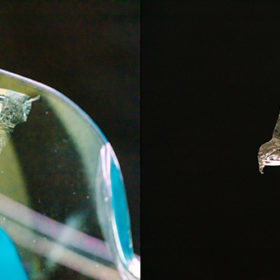
A cell so thin, it can rest on a soap bubble
Scientists at Saudia Arabia’s King Abdullah University of Science and Technology demonstrated an organic PV cell that can simply be printed onto a piece of paper. The cell set a new efficiency record for a fully inkjet-printed device, and its designers envisage applications in integrated medical sensors.
Global green hydrogen project pipeline reaches 50 GW
International thinktank IEEFA says there are 50 viable green hydrogen projects under development with an estimated renewable energy capacity of 50 GW and the potential to produce 4 million tonnes of the fuel annually.
