
Switzerland deployed 332 MW of solar last year
Cumulative solar generation capacity reached 2.5 GW last year, enough to meet 3.8% of electricity demand.
European consortium bid to bring 25.4%-efficient heterojunction-IBC solar cell into mass production
The EU-funded Nextbase project aims to manufacture heterojunction, interdigitated back-contact solar modules for less than €0.275/W. Solar panels featuring the Nextbase cell tech are expected to have a conversion efficiency of 23.2%, according to the European Commission.
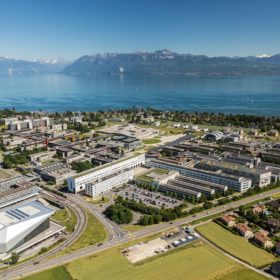
Graphene doping a step forward for sodium batteries
Scientists at Switzerland’s École Polytechnique Fédérale de Lausanne (EPFL) have developed an anode from graphene doped with sodium, which they say could potentially overcome some of the fundamental issues in increasing storage capacity and the lifetime of sodium-ion batteries.

Covid-19 weekly briefing: Merchant solar developers could seek shelter in return to subsidies and PPAs are being revisited, but at least the Irish are coping with lockdown measures
The unfolding effects of the Covid-19 crisis, and fears of a possible second wave, have split analysts trying to guess how the unsubsidized renewables market will emerge as slumping demand continued to distort power markets. pv magazine rounds up the week’s coronavirus developments.

Covid-19 daily bulletin: Italian PV developers do their bit for the nation
Solar project owners responded to an appeal to donate a portion of their solar incentive payments to the public health authorities as another multinational body emphasized the importance of coronavirus fiscal stimulus packages having environmentally-friendly conditions attached.
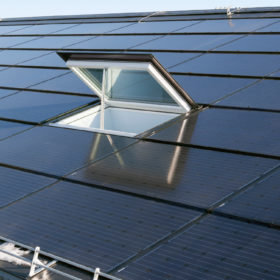
Switzerland provides additional $47m for solar incentives
The government wants to see off a potential slump in the PV market as a result of the Covid-19 pandemic. The increase means CHF376 million worth of rebates will be available for solar systems.
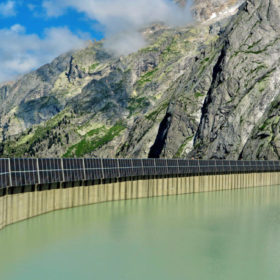
Another vertical PV plant in the Alps
More than 1,200 solar modules will be installed on the south side of a dam 2,100 meters above sea level. The facility planned by utility EWZ is set to be ready this year.

Switzerland renews support for renewables
The Swiss government has decided to extend its incentives for renewable energy projects, while also adjusting them to promote greater competitiveness. In addition, it plans to replace feed-in tariffs for large-scale solar installations with a new auction mechanism.
Swiss researchers unveil new perovskite process
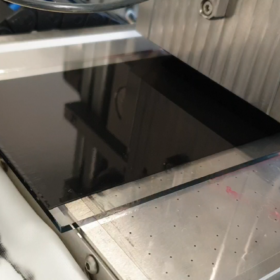
A group of scientists at Switzerland’s Federal Laboratories for Materials Science and Technology (EMPA) has demonstrated a new manufacturing process, based on slot die coating, for the production of perovskite thin-film solar cells. The laboratory has fabricated small perovskite modules using this process and has plans to move into the field-testing phase later this year.
Covid-19 daily bulletin: Meyer Burger reduces working hours for staff
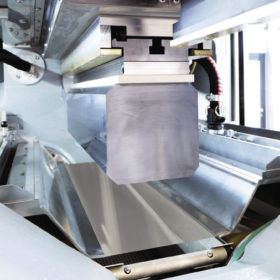
The Swiss equipment supplier already needed to shore up its bottom line and is now taking measures to help combat the spread of an epidemic which has also claimed November’s planned climate summit in Glasgow and an estimated 19% of this year’s demand for energy storage.
