Sahel-wide group buying program could drive solar home system supply
A report commissioned by EU lender the EIB has dismissed the role solar mini-grids can play in achieving universal electrification by 2030 and signaled distribution to individual households should be the way forward, including sales to the residents of UN refugee camps in East Africa.
A wave of big African solar is set to break
The Africa Solar Industry Association has recorded almost 2 GW of large scale project announcements since the start of last month with 18 countries planning new clean power infrastructure and including energy storage in the plants.
EU finance to back solar pumps and lanterns in Tanzania
European development campaign the Electricity Financing Initiative has invested around €1.26 million in a €1.5 million bond issued by domestic solar products supplier Simusolar.
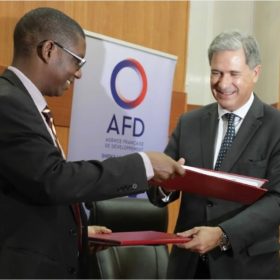
French government finances 150 MW solar project in Tanzania with €130m
The solar facility is intended at reducing the country’s dependency on hydropower, especially during drought periods.
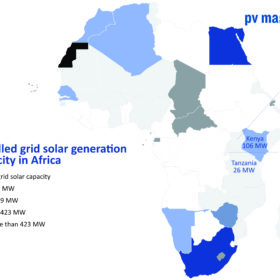
West African commercial solar installer looks east
Nigeria and Ghana-based Starsight Energy has spent an undisclosed amount to acquire a half stake in the Kenyan subsidiary of East African peer Premier Solar Group.
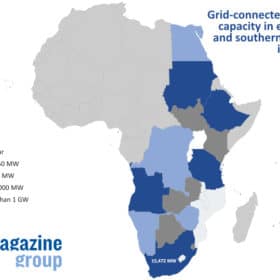
Solar and wind could provide half of 2040 power mix across 22 African nations
The International Renewable Energy Agency has combined energy infrastructure commitments across a huge swathe of the continent with hundreds of regional sites which offer rich solar and onshore wind potential, to determine what could be possible.
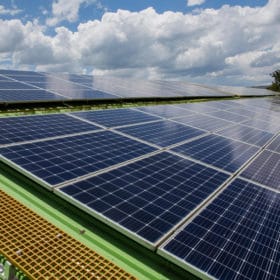
‘Solar can energize the East African recovery’
Patrik Huber, co-founder and managing director for East Africa at renewables leasing company Solarise Africa, has spoken to pv magazine about the company’s take on how the region can prime for a green recovery. Huber explained Solarise’s contribution to the recovery includes recent expansion into three new countries.
EU cash will fund solar lights for fishers
Pending final closing, the Electrification Financing Initiative has announced it is considering private equity investments of €1.5 million to two French firms operating in Benin, Togo, Burkina Faso and Senegal, and $1.5 million to a Tanzanian business operating in Tanzania and Uganda.
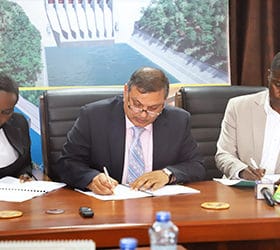
Tanzania buys solar power from small independent power producers
Three solar plants totaling 15.4 MW will sell power to Tanesco under a PPA. The projects are being developed under new rules enabling independent power producers to participate in the country’s energy market.

African utilities wary of threat from renewables
The rise of clean energy and prosumers, net metering and greenhouse gas regulation all figure among the bogeymen as far as national electric companies are concerned.
