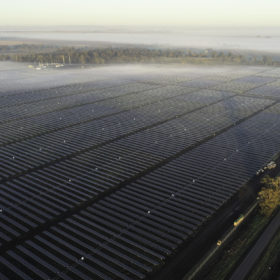
Risen profits for HJT manufacturer
Ukraine’s favorite solar module manufacturer has posted another encouraging set of returns, after a difficult year in 2018. And Risen – which boasted 6.6 GW of annual production capacity at the end of last year, according to analysts at PV InfoLink – is committed to adding another 2.5 GW before 2022.
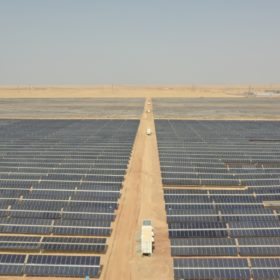
Completion of 390 MW Benban projects crowns impressive quarter for Scatec Solar
With power production up 133% year-on-year, revenues and EBITDA also rose significantly.
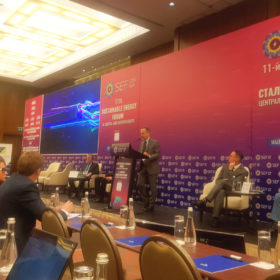
Ukraine solar industry poised between optimism and fears of FIT renegotiation
Ukrainian energy market reforms are continuing and amid uncertainty about future auction mechanisms and prices, attendees at the SEF Kyiv sustainable energy forum again called out the government for dragging its heels on the legislation. However, there was also evident optimism at the show.

Volume of Ukraine orders just keeps Risen
Risen Energy has announced a 148 MW module order will be completed this month as the Ningbo-based company expects to ship almost 1 GW of product to the country this year.
Ukraine orders lift Risen up overseas module shipment rankings
The Ningbo-based manufacturer shipped more than a quarter of the panels it exported in the first six months of the year to the eastern European nation. All the big manufacturers posted rising shipment volumes as emerging markets made up for slow growth in their homeland.
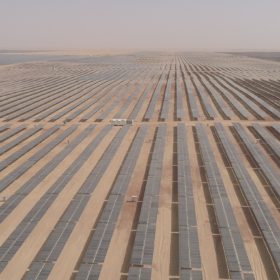
Scatec reaches commercial operation for another 112 MW of capacity
The Norwegian developer has opened plants in Ukraine and Egypt. Scatec Solar recently announced it managed to triple energy production in the last year.
Chinese solar production figures continue to ramp up
Quasi-governmental body the CPIA has released first-half figures for the world’s biggest solar marketplace which show production volumes for export markets continuing to expand and the domestic picture set to rebound after public solar subsidy levels were published.
Ukraine makes a bid for PV growth
The final segment in pv magazine’s look at unsung solar markets heads to Ukraine, where a generous feed in tariff and developments in the corporate PPA segment looks likely to push installations past the 1 GW mark for 2019.
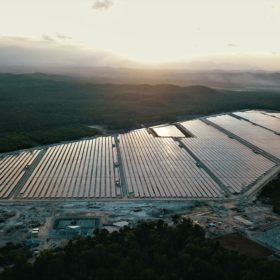
Scatec Solar triples production over last year
The IPP released its latest financial figures and leadership says that with growth across all business units, Q2 2019 is its best quarter ever.
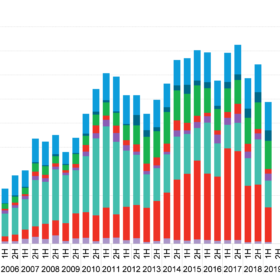
Global renewables investment fell in the first half of this year
While Spain, Sweden, Ukraine and Brazil attracted more funds than last year, China’s transition to an auction-based procurement system and slow performance overall in Europe saw worldwide backing decrease. BloombergNEF does expect investments to ramp up in the second half, however.
