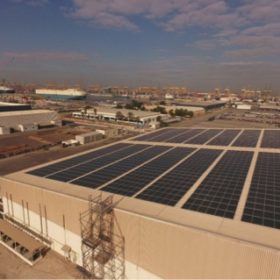
Dubai has 106 MW under net metering
Most of the generation capacity – around 63 MW – was deployed in the emirate over the last 14 months.
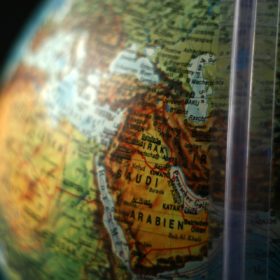
Does slew of solar mega tenders mean Gulf nations are belatedly accepting the inevitable?
With Kuwait, Qatar and even renewables laggard Saudi Arabia following in the wake of regional clean energy pioneer the UAE, a raft of huge solar tenders is entering the Middle Eastern project pipeline. Obstacles remain to overseas project developers but significant rewards are on offer.
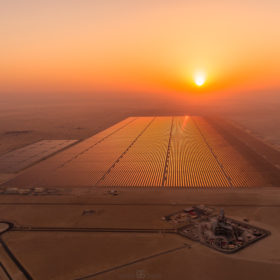
DEWA and Huawei hold strategic summit
The Emirati utility and the Chinese communications giant and inverter maker have discussed how they can work together to roll out solar and storage in Dubai as well as collaborating on cyber security and the use of AI to analyze cyber threats.
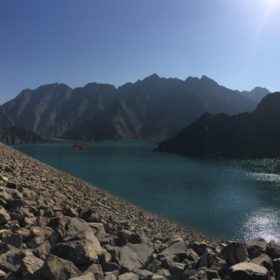
DEWA to use solar to power new pumped-storage project
The Dubai Water and Electricity Authority will use energy from the gigawatt-scale Mohammed Bin Rashid Al Maktoum Solar Park to provide a new hydropower plant with pumped storage capacity. The state-owned utility has announced a number of innovations for the project in recent months, including plans for hydrogen and large-scale storage capacity.

Dubai has eyes floating on solar with visit to China
Dubai desires to become a global epicenter for clean energy and green technology. Its visit to China comes after last month’s issued RFP to explore floating PV development in the Arabian Gulf.
IHS Markit: Global EPC market grew 34% last year
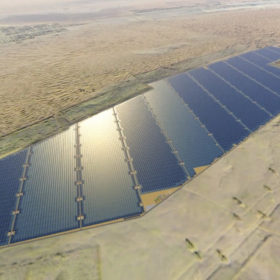
China’s slowdown in installations last year was more than made up for by expansion elsewhere, according to IHS Markit. The news comes amid increasing market fragmentation – with the biggest engineering, procurement and construction business boasting less than 3% market share – and internationalization, with almost half of the top 15 companies operating across more than one region.

EWEC opens 2 GW Al Dhafra tender in Abu Dhabi
The huge site would have to be operational in the opening quarter of 2022 and follows the recent completion of the gigawatt-scale Noor Abu Dhabi site. The successful developer would secure a 40% slice of the Al Dhafra project, under Abu Dhabi rules.
Dubai claims to have reduced carbon emissions 19%
The extraordinary statement, made on Sunday by the emirate’s electricity and water authority, compares current per capita figures to a ‘business as usual’ scenario.
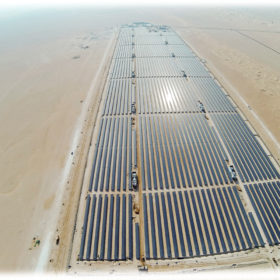
DEWA issues tender for fifth 900 MW phase of 5 GW solar park
Overall, 64 companies have expressed interest in building the next 900 MW phase of the huge Mohammed bin Rashid Al Maktoum Solar Park. The first section of this part of the park is scheduled for completion in the second quarter of 2021.
