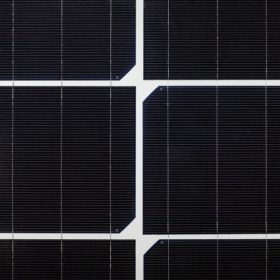
Markets started to embrace non-conventional modules in 2H 2018
Analysts at PV InfoLink said the number of markets open to new technologies such as half-cut and shingled panels is constantly rising. Australia, Japan, Spain, the UAE and Brazil were cited as the hottest markets for Chinese “special modules”. Total annual production in China for half-cut modules, which are set to increase their market share this year, should reach around 20 GW.

UAE to invest in 100 MW Bangladesh solar plant
Details are few at this stage, with a site for the big project still to be selected, although the Bangladeshi government has confirmed the tariff for electricity produced by the plant will be $0.095/kWh.
Abu Dhabi utility fires starting gun on 2 GW solar project
A giant project is planned in Adhafra, near Abu Dhabi. Interested developers have until March 5 to prequalify for the tender.
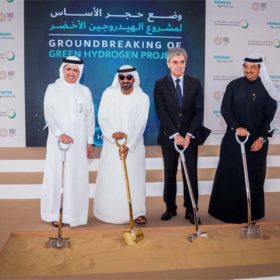
DEWA begins work on hydrogen facility at Rashid Al Maktoum park
Only three months after issuing the project tender, the Dubai Water and Electricity Authority is building the plant with the support of Expo 2020 Dubai and Siemens.
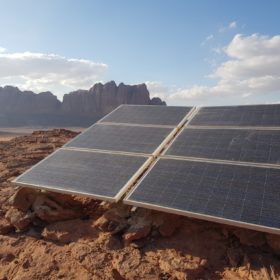
The weekend read: The untapped potential of the MENA region
The region’s climate, developing economies and demographic growth are driving increased electricity demand in the Middle East and North Africa. However, as a hub of conventional energy supply, the region has been slow to embrace PV. To capture more of the value chain and deliver the full potential of solar, there are increasing calls for distributed generation deployment to play a bigger role.
Dubai funding commitments demonstrate rise of corporate solar
Two Emirati developers are celebrating landmark deals with a commercial and industrial focus as Yellow Door Energy secures $65 million to expand operations into new markets and Adenium – one of Yellow Door’s backers – prepares to operate the region’s first industrial self-consumption and net metering project.

PV Market Alliance expects 120 GW of new solar capacity in 2019
The global market stagnated last year, with around 98 GW deployed. For 2019, the experts expect stronger solar growth, provided there are no setbacks in China.
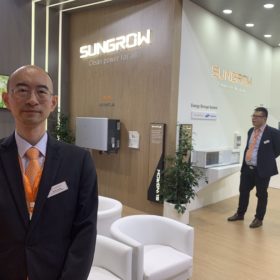
Sungrow on the MENA market: “Of course, the bigger, the better”
Having equipped a three-digit MW volume of large scale and distributed generation projects throughout the region, Sungrow is ready for a rapid regional expansion. EMEA general manager Derek Huang told pv magazine at the World Future Energy Summit about his expectations across all market segments.
Smart-grid based hybrid wind-solar project goes online in Dubai
The Smart Grid Station wind-PV facility also incorporates a 500 kWh lithium-ion battery storage system, around 2,000 internet of things-derived sensors and smart meters. The plant was installed by the Dubai Electricity and Water Authority and Korean utility KEPCO.
Middle East solar pioneers have their efforts recognized
DEWA projects featured strongly in this year’s accolades but there was also recognition for projects beyond the region and some eye-catching innovations.
