UK: Ofgem proposal means ‘the most profligate energy users will be rewarded’, says STA
Power market regulator favors a flat rate fee for electricity consumers to fund the cost of making the U.K. grid fit for the energy transition. Solar lobbyists say that will unfairly penalize households and businesses who have invested in on-site generation.
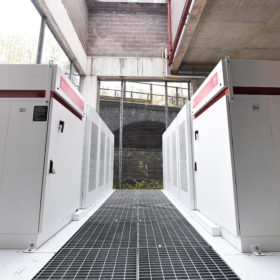
Arsenal FC gets greener turf
Having closed a green electricity supply deal, changing its stadium lighting to LED and recycling 80% of matchday waste to power its turf, the football club has now unveiled the first 2 MW stage of a 3 MW storage system to slash peak load at the Emirates Stadium.

UK policymakers signal U-turn on toxic tariff scrap plans
Rachel Reeves, Chair of the Committee for Business, Energy and Industrial Strategy (BEIS), has released a comment indicating the discontent with which she views government plans to scrap export tariffs on 31 March 2019. The scheme remunerates small-scale generators, and its abolishment has been likened to theft and sparked a feud between the industry and politics. Last week, U.K. Energy Minister Claire Perry also said that forcing generators to export for free would be “wrong”.
UK regulator reveals power companies owe almost £63m to renewable energy obligation pots
Four electricity suppliers have been named by Ofgem for missing payment deadlines for penalties prompted by their failure to meet renewable energy buying obligations. A separate fund for small-scale generators, paid for by energy suppliers, also has a financial shortfall.

UK, Germany should push on storage, EVs – BloombergNEF
Two new reports from BloombergNEF recommend that the two northern European countries should implement policies to accelerate the adoption of energy storage and smart electric vehicle charging, while also improving demand response and interconnection to Nordic hydropower reservoirs. All of these actions are expected to further reduce fossil fuel dependence and add flexibility to their respective energy markets.

Industry hails UK energy minister’s export tariff stance
Renewable energy industry bodies are hailing the U.K. Energy Minister’s comments today that power should not be provided to the country’s electricity grid for free. She was referring to the ongoing debate over whether or not to end solar export tariffs.
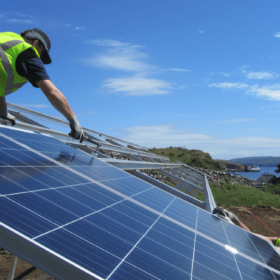
Islands ditching diesel in favor of renewables
The U.K. is helping islands in Scotland and the Caribbean, Pacific and Indian oceans, make the switch from dirty diesel generators to renewables. In the former, community-owned renewable systems are ensuring 24 hour energy supply, while in the latter, a new renewable energy analytics platform is set to help identify the optimum energy mix for six islands.
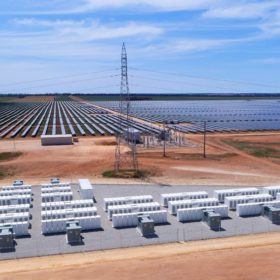
Plans advance for UK’s first solar + storage Nationally Significant Infrastructure Project
Wirsol Energy Ltd and Hive Energy Ltd are developing an over 50 MW solar + storage project which, when completed, will represent the United Kingdom’s first Nationally Significant Infrastructure Project (NSIP).

Centrica to join London blockchain trial for alternative billing
Using a blockchain-based energy trading system, the company seeks to examine ways to bill customers in the best manner for them and prosumers. In light of the potential removal of export tariffs for small scale solar in the UK, the system could provide alternative remuneration for system owners. The trial will run for six months, with the possibility of extending it to two years.
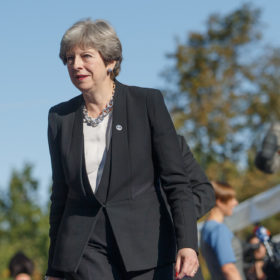
European Court of Justice censors European Commission approval of UK capacity market
With Theresa May’s government in full scale revolt this week over Brexit, the ECJ’s ruling that the European Commission wrongly failed to find fault with the UK capacity market mechanism four years ago, is likely to have Brexiteers on both sides of parliament frothing at the mouth with indignation.
