
Photovoltaic blinds to improve greenhouse energy performance
A Swedish-Iranian research team modeled 14 photovoltaic blind configurations in checkerboard arrays 1m above a greenhouse roof emulated with EnergyPlus building energy simulation software. The group found a PV installation would reduce natural gas consumption, electricity demand and carbon emissions.
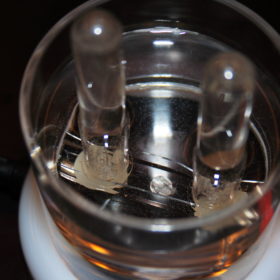
New membrane promises cheaper electrolysis
A novel anion exchange membrane has been developed by German chemical company Evonik. Its creators claim it can make hydrogen generation cheaper, as the cells used for electrolysis featuring the device would not require precious metals.
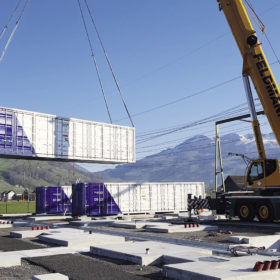
Energy storage investment to approach $10bn in 2025
Analyst IHS Markit has predicted storage will rebound this year following its first year-on-year decline in 2019. The technology is being rolled out at pace despite Covid-19 with state-level policies set to keep the US the global capital for the next five years.
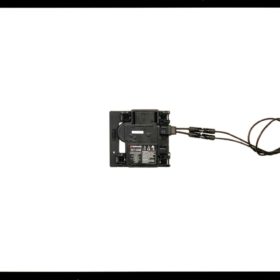
Enphase and Sonnenstromfabrik unveil AC solar panel
The US microinverter producer and the German panel maker have launched a residential glass/glass PERC module equipped Enphase IQ 7+ device. The 60-cell PERC module is available in three versions with power output ranging from 320 to 330 W and efficiencies of 18.8% to 19.4%.
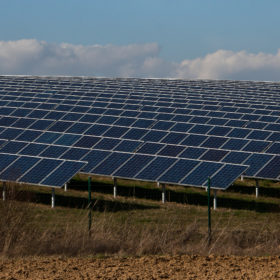
Analysis of Ireland’s first renewables auction
Harsh Goenka, from solar forecasting company Solargis analyzes the results of the nation’s first clean energy tender for pv magazine after the procurement exercise secured an average solar electricity price of €72.92/MWh.

Isle of Man tenders for 20 MW of solar and wind
The call is part of a government action plan for achieving net zero emissions by 2050.
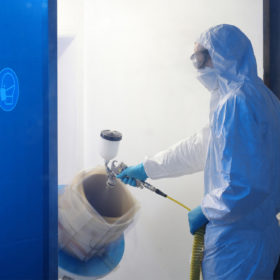
German researchers identify source of impurities in multicrystalline silicon
Scientists from Fraunhofer IISB, Wacker Chemie and Alzchem say unwelcome metals enter the silicon primarily through coating of the quartz crucible. The finding could enable manufacturers to make predictions about the quality of silicon blocks.
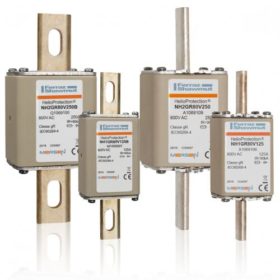
Mersen launches fuses and switchgears for 800 V AC solar systems
The French manufacturer has expanded its range with products designed for PV systems with 1500 V DC/800 V AC inverters. The new offer features NH fuses and horizontal and vertical fuse switch-disconnectors.
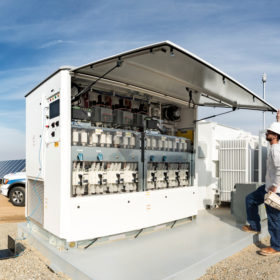
SMA reports 42% increase in turnover, Meyer Burger swings to a loss
German inverter manufacturer SMA Solar Technology reported solid financial results for the first half of 2020 despite the Covid-19 crisis. Meyer Burger, however, saw sales and profits decline.
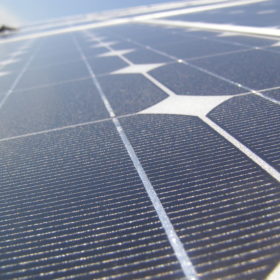
Netherlands’ largest power provider wants to connect new solar parks to 75% of their peak capacity
Liander said its new plan may result in savings ranging from €1.4 billion to €1.8 billion. Possible losses for PV power producers are estimated at a maximum of 3% of their electricity production per year. If implemented, this new measure would push PV project developers to rely on underdimensioned inverters.
