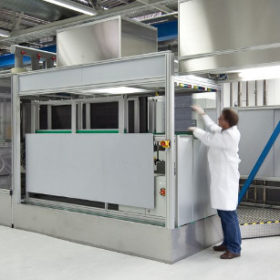
NexWafe secures $9.4 million for kerfless wafer project, targets 50% cost reductions
NexWafe GmbH has completed €8 million (around US$9.4 million) in financing for the next stage of its kerfless wafer manufacturing plans. The company sees big market potential for the product, which projects cost reductions of 50%.

Meyer Burger announces at least 100 jobs will go at Thun
Following a consultation process with employees, Meyer Burger has announced 100 jobs will definitely go as part of the closure of its Swiss manufacturing site. Another 60 positions are dependent on strategic alternatives being found.
Phoenix Solar to file for insolvency in Germany
The construction contractor will start insolvency proceedings at the district court in Munich next week.
No stabilization without flexibilization
A new report from DNV GL stresses the value of flexibility regarding the design of future energy markets. The paper also indicates how to avoid imbalances that could cause the instability of power systems.
Belgium: Wallonia could close incentive scheme for residential PV
As the government of Belgium’s French-speaking region has announced the possible closing of the incentive scheme Qualiwatt, claiming that self-consumption is now becoming more profitable, the region’s regulator CWaPE warns that the abrupt cancellation of the incentives may have a negative psychological effect.
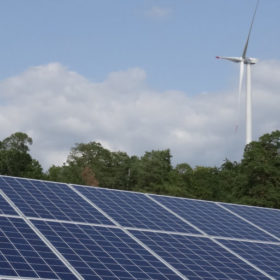
Germany opens 2018 auction for large-scale PV, announces joint wind/solar auction
The deadline to submit project proposals is February 1. In addition, the Bundesnetzagentur has scheduled the first joint auction for large-scale wind and solar projects for April 1, 2018.
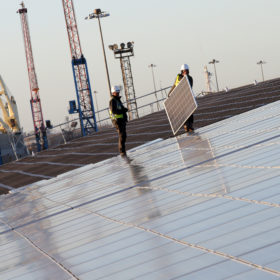
Associated British Ports to scale up its solar portfolio to 28 MW
The UK’s port operator has announced plans to build a 20 MW solar array on multiple warehouses at the Port of Immingham. Custom Solar has been contracted to install solar panels.
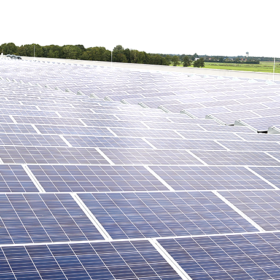
Netherlands sets €12 billion budget for 2018 SDE+ program
The first window to submit solar projects will be opened in the so-called “Spring Round” on March 19. The program is open, among other renewable energy projects, to solar plants over 1 MW and projects ranging in size from 15 kW to 1 MW.
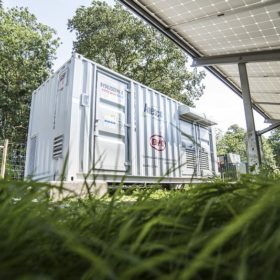
UK could reach 12 GW storage capacity within five years, report finds
Lessons learned from solar failures could propel battery storage market to 12 GW by 2021, argues report by All-Party Parliamentary Group on Energy Storage, which implores government to be “on the front foot” when it comes to seizing ways to ensure energy security for the nation.
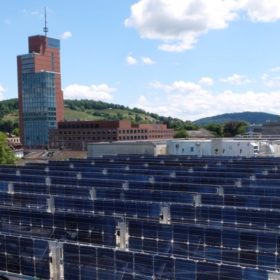
Switzerland to replace FITs with solar rebates in 2018
According to Swissolar, this change will allow more PV capacity to be deployed, as waiting times for the implementation of FIT contracts are considerably increasing. Self-consumption is also becoming more attractive for multi-family houses and commercial enterprises.
