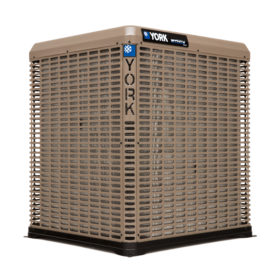
US manufacturer develops heat pump for cold climates
Johnson Controls has fabricated an air-source heat pump prototype for locations with temperatures below -29 C. Its York YZV and York HMH7 cold climate heat pumps can already operate in -15 C conditions.

New microinverter for solar water pump applications
Canadian manufacturer Sparq has unveiled a three-phase microinverter for on-grid and off-grid solar water pumps. It has a peak efficiency of 97.5% and a nominal maximum power point tracking (MPPT) efficiency of 99.8%.

LiTime unveils 100 Ah lithium iron phosphate battery for residential PV
Shenzhen LiTime Technology’s new lithium iron phosphate battery system has a nominal voltage of 12.8 V and a capacity of 100 Ah. It comes with a five-year warranty and can purportedly operate for more than 4,000 cycles.
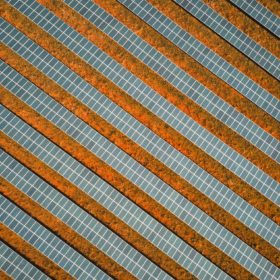
Tracking environmental performance improvements in solar modules
New life-cycle assessment (LCA) data for PV systems confirms that greenhouse gas emissions from 1 kWh of solar electricity are far lower than emissions from fossil-fuel power plants. The difference has been fairly constant since 2018, but has improved substantially since when IEA PVPS started reporting on this measure in 1996.
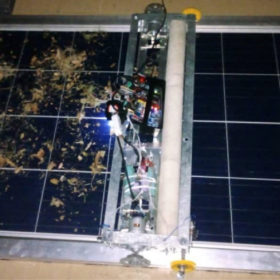
Color-sensing tech to remove dirt from solar panels
South African researchers have developed a new cleaning system for solar panels that uses a color-sensing light-to-frequency converter to detect dirt. It can reportedly remove around 95% of the dust from a PV panel in less than a minute, at a lower cost than other systems.
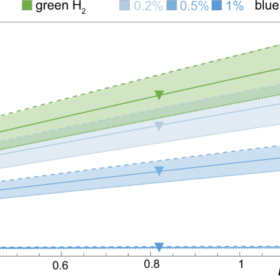
The Hydrogen Stream: US team assesses atmospheric methane risk for hydrogen
Princeton University researchers have published a study on how the transition to hydrogen-based energy systems would affect the tropospheric burdens of methane and hydrogen, while Provaris Energy said it is moving forward with its compressed H2 carrier.
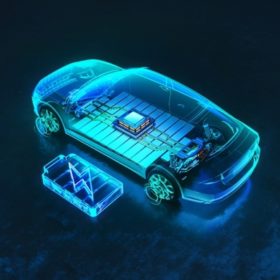
The mobility rEVolution: High-capacity electrode material for solid-state batteries
GoodWe has released a new solar-powered smart EV charger for residential use, Envision AESC has broken ground on a 12 GWh battery plant in the United Kingdom. and PG&E has invited customers to pre-enroll in its three upcoming vehicle-to-everything (V2X) pilot programs.
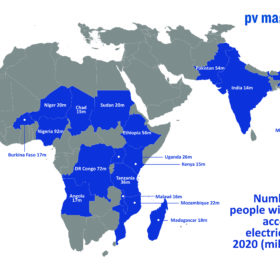
COP27 failed the most climate-vulnerable
While the climate summit held at Sharm El Sheikh last month prompted pledges of raised funding for solar lanterns and single-panel systems, the money allocated to date is woefully short of what has been estimated would be required to provide universal access to electricity this decade. Drew Corbyn of Netherlands-based global off-grid solar body GOGLA, outlines three urgent courses of action to accelerate access to electricity.

The Hydrogen Stream: Germany opens Europe’s first green ammonia tender
Germany has announced plans to sign long-term green ammonia purchase agreements, in addition to strengthening its ties with Australia. Repsol and Fusion Fuel, meanwhile, are advancing their hydrogen projects on the Iberian Peninsula.
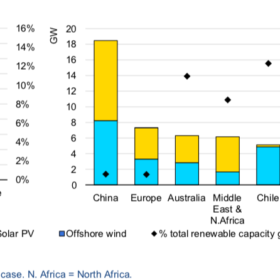
The Hydrogen Stream: Global renewables capacity for hydrogen to surge by 2027, says IEA
The International Energy Agency says that it expects the use of renewables to support global hydrogen production to surge over the next five years. The Netherlands and Denmark, meanwhile, have revealed plans to expand electrolysis capacity.
