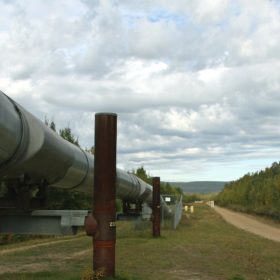
Reading between the lines: What is the real message of BP’s Energy Outlook 2019 report?
The rise of renewables may have hogged the headlines but there is, nevertheless, a reassuring underlying message to investors with their money in fossil fuels. However there may be hope in meeting the Paris Agreement goals, if only we could encourage a few more trade wars…
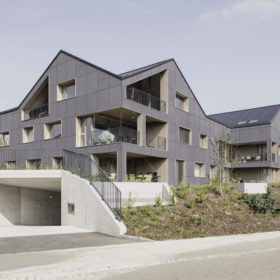
Storage Highlights Countdown #10; Proton Motor hydrogen electrolyzer for full self-sufficiency
The Energy Storage Europe conference and trade show is nearing and pv magazine is featuring the top ten developments in the field as our Energy Storage Highlights, selected by an independent jury of experts. We kick off with Proton Motor’s contribution to a Swiss project that enables apartment tenants to live without a gas or electricity grid connection.
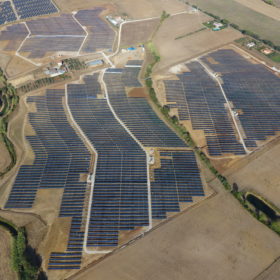
Renewable energy investment to increase by $210 billion over five years
Backing for renewable energy assets is set to rise 10% with grid-scale PV the most attractive opportunity among investors surveyed for a new report. But improved investment vehicles and outsourced asset management are still needed if climate change is to be mitigated.
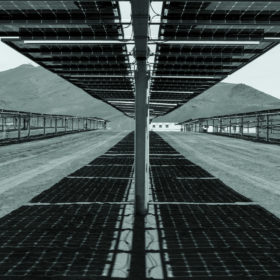
Understanding bifacial boost
Belgian research institute imec has developed a new simulation framework it says can calculate the expected output of a bifacial PV system. The model could help improve developer understanding of the best system configurations for bifacial, and foster confidence among investors by providing a precise prediction of energy yields.
The weekend read: From solar to gas
The opportunities for power-to-gas have long interested the solar community, but large-scale projects have been exceptionally rare. The outgoing CEO of SolarPower Europe, James Watson, has presided over a transformative period at the organization, and departed in January to head up Eurogas – right at the point the region’s solar sector is set for revival. Advancing a power-to-gas agenda, Watson tells pv magazine editor in chief Jonathan Gifford, will be a big part of his new challenge.
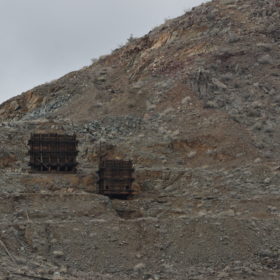
Silver price to rise 7% this year
According to the Silver Institute, demand for the precious metal in the solar industry will remain stable up to 2022, despite recent changes in China’s PV policy.
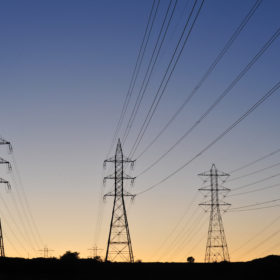
Super-grids vs prosumer states: storage may decide the battle
Indra Overland, head of the Center for Energy Research at the Norwegian Institute for International Affairs, explains how the world’s future energy landscape may include pan-regional super-grids. However, prosumer states seeking energy independence could also be in the mix. According to Overland, the two developments will go hand in hand and the balance between them will be determined by the competitiveness of storage technologies.

Dutch researchers propose new approach to measure solar potential of urban areas
The system is said to have a maximum estimation error of less than 10% and to reduce the computational requirements for calculating the output of PV systems in complex environments. The approach is based on the correlation between a skyline profile and the annual irradiation received at a particular spot.
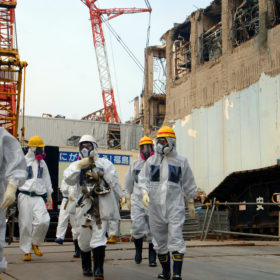
Debunking the low-cost nuclear myth
An article published in the FT this week was right to point out that pricing new energy capacity involves more than just comparing strike prices, but if you are in the business of calculating real costs, do it properly. For nuclear in particular, that’s a case of ‘in for a penny, in for (several) pounds’.
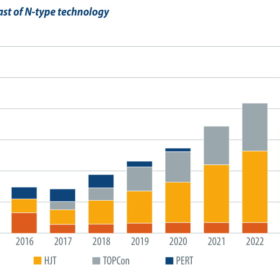
Outlook for n-type
Among n-type manufacturers, SunPower, Panasonic, and LG had the leading roles in interdigitated back contact (IBC), heterojunction (HJT), and tunnel oxidized passivated contact (TOPCon), respectively. But Chinese cells with low cost and high efficiency trends have been on the rise. In the future expansion of n-type production lines, the power of Chinese cell manufacturers and equipment makers can’t be underestimated.
