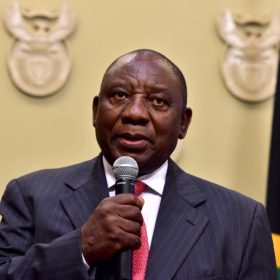
South Africa plans to allocate at least 6 GW of large scale solar by 2030
That would take the country to 8.28 GW of generation capacity by the end of the next decade with the government stating up to 6 GW of small scale capacity could be required on top. By that stage, however, coal would still amount to 43% of generation capacity and gas and diesel a combined 8.1%, under the new Integrated Resource Plan.

Average solar power price in Brazilian A-6 auction reaches $20.52/MWh
Only 530 MW of the 2.97 GW of renewable energy generation capacity contracted in the procurement exercise went to solar. Eleven solar projects were successful and their final electricity prices were far below those offered by competing technologies.
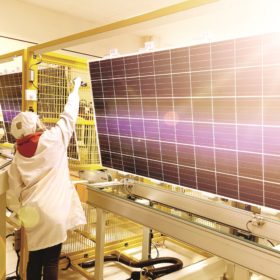
Canadian Solar wins 394 MW of solar in two private auctions in Brazil
After emerging as the recipient of most of the Brazilian government’s public allocation of generation capacity, the Canadian-Chinese manufacturer has secured a large share of projects in auctions held by power companies Copel and, probably, Cemig.
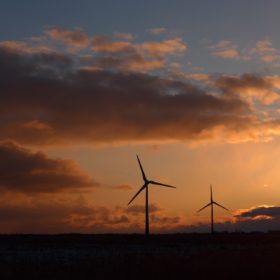
Denmark launches second solar-wind auction
Selected schemes will be eligible for a feed-in premium – related to the wholesale electricity price – for 20 years. The ceiling price for the premium has been set at the equivalent of $0.0089/kWh.
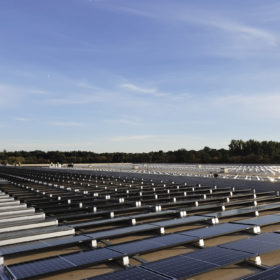
France assigns 129.4 MW in commercial and industrial PV tender
The final average price for power generated by solar systems with a capacity of 100-500 kW came in at €97.48/MWh. The price for 500 kW-8 MW installations was €86.54/MWh. Only the latter category saw a fall in price compared to the previous commercial solar tender.
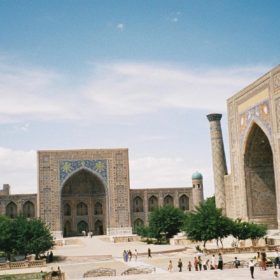
Masdar wins Uzbekistan’s 100 MW PV tender with lowest bid of $0.027/kWh
Uzbek utility Uzbekenergo had received 23 offers for the 100 MW tendered solar plant. Two more solar tenders, with capacities of 400 MW and 500 MW, respectively, will be launched in the near future.

Uruguay launches 65 MW solar tender
Utility UTE is planning to resume solar energy development with a new large scale PV project after several years of almost zero growth.
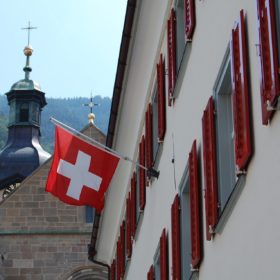
Switzerland plans large scale solar auctions
The Swiss Federal Council intends to increase competition in the solar sector and set fixed tariffs for large PV projects using tenders. The electricity market will be fully opened up in a move industry association Swissolar says will discriminate against PV and threaten the rapid expansion of renewables.
Another 150 MW of solar comes online in Spain
The new generation capacity comes from three 50 MW solar projects Spanish energy company Naturgy secured in an auction by the Spanish government in 2017. The installations are near Ciudad Real, in the central-southern region of Castilla-La Mancha.
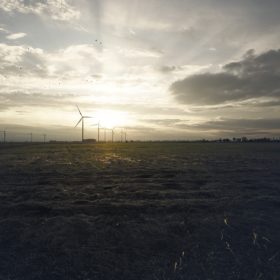
More chances for solar in Polish large scale renewables auction
The advent of permitting restrictions on wind power projects has opened the door for PV in the pending auction for renewable generation facilities with a capacity of more than 1 MW. Wind power dominates Polish clean energy and no solar projects were successful in last year’s exercise.
