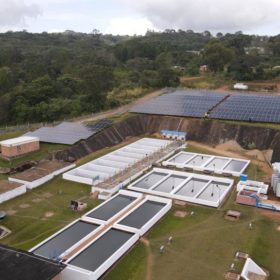
Solar, storage system for water treatment in Malawi
RIC Energy has built a 1.3 MW PV array and a 4.5 MWh battery system for two water treatment plants and five water pumping stations in Malawi. The hybrid system will treat enough water to supply more than 200,000 people.
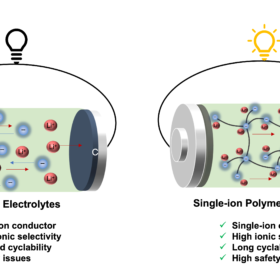
New polymer electrolyte for lithium-metal batteries
Researchers at the University of Hong Kong have discovered a series of anionic network solid electrolytes that can deliver at least a fourfold improvement in cationic transport for lithium-metal battery applications.
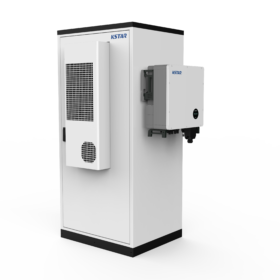
KStar unveils battery inverter solution for C&I applications
KStar’s new all-in-one energy storage system for commercial and industrial (C&I) applications features a 5.12 kWh lithium iron phosphate (LFP) battery system with a 50 kW inverter. It includes two clusters of batteries with 10 modules each, for a maximum capacity of 102.4 kWh.

Only5mins! – Storage inspection and certification
Emilio Jorquera, technical account manager at Senergy Technical Services (STS), tells pv magazine that greater standardization is needed in the battery storage market.
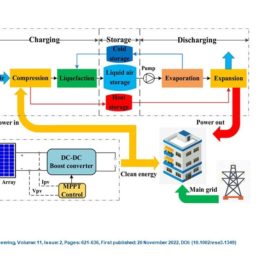
Hybridizing photovoltaics with liquid air energy storage
An international group of researchers has designed a new hybrid photovoltaic-liquid air energy storage (PV-LAES) system. Their economic evaluation for the proposed 2 MW PV-LAES project showed that the investment payback period can be within 10 years, and the accumulated net profit can reach up to $2.2 million from a life-cycle perspective.
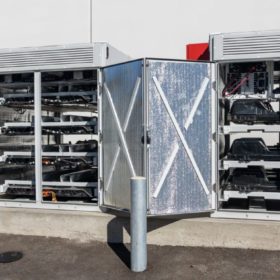
Second-life EV batteries as grid-scale storage
Smartville has secured $5.9 million from the US Department of Energy to scale its second-life battery program.

Solar, storage provides energy solution for remote Australian town
The remote town of William Creek in the Australian outback is now entirely powered by solar backed by a battery energy storage system, after the switch was flicked on a 200 kW PV array that eliminates the need for diesel generation.

BayWa re to sell PV product distribution business
BayWa AG is strategically realigning BayWa re so it can sell its solar trade business. In the future, the subsidiary will focus on international projects as an independent power producer (IPP).
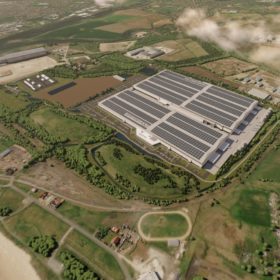
Australian startup buys Britishvolt
Startup Recharge Industries has acquired collapsed battery producer Britishvolt, just weeks after announcing plans to build a lithium-ion battery gigafactory in Australia.
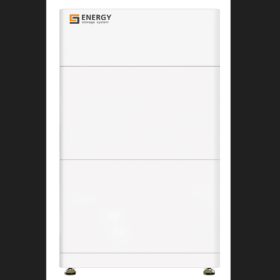
New lithium iron phosphate battery for residential solar applications
China’s GS Energy has developed a new lithium iron phosphate battery system with a nominal voltage of 96 V. It says that up to five 3.74 kWh modules can be stacked and connected in series for a total capacity of 18.7 kWh.
