Australia’s rooftop solar hits 28.3 GW as home battery uptake surges
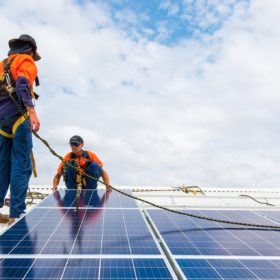
Australia’s rooftop solar fleet continues to expand with a combined 28.3 GW of generation capacity commissioned by the end of 2025 with approximately 4.3 million installations across the country.

Australia rooftop solar hits 26.8 GW as home battery uptake surges
Australia is on track to exceed its 2030 rooftop solar targets with a combined 1.1 GW of new capacity installed across 115,584 households and businesses in the first half of 2025.
California fast-tracks 4.6 GW battery project with 1.1 GW of solar
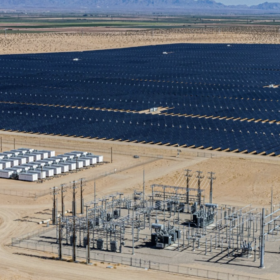
The California Energy Commission (CEC) has approved the Darden Clean Energy Project, the first development to receive fast-track approval under its Opt-In Certification program. The project includes 1.1 GW of solar capacity and a battery energy storage system (BESS), designed to power 850,000 homes for four hours.
Australia’s residential battery installations rise 30% in 2024
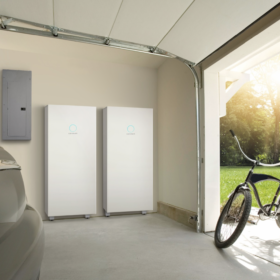
Australia installed more than 28,000 residential batteries in 2024, a 30% increase from the previous year, according to a Clean Energy Council (CEC) platform that tracks renewable energy adoption.
Green investors eyeing up Australia following election results
The remarkable results of what is already being called a ‘historic’ 2022 federal election have put Australia “back on the map” in the eyes of big low-carbon investors.
Grid connection is key culprit as investor confidence wanes in Australia
Ongoing grid connection issues and concerns about Australia’s unpredictable regulatory and policy environment have been identified as the key culprits with a new report revealing investor confidence in the nation’s renewable energy sector has slumped to a five-year low.
Covid-19 weekly round-up: Biden’s $2tn green recovery program as Germany prepares to return to normality
Plus, even stay-at-home orders and plunging commercial energy demand failed to take the sting out of Australia’s solar duck curve and China’s GCL System counts the first-half cost of the public health crisis.
Covid-19 weekly briefing: Evidence abounds of renewable energy gains at the expense of fossil fuels as the clamor for a green recovery rises
Portugal set a new coal-free record because of the pandemic as Belgium and Israel moved to help the renewables industry. But there was grim news in Mexico and Turkey, and Bangladeshi clean energy firms have appealed for more assistance.
Covid-19 weekly briefing: Merchant solar developers could seek shelter in return to subsidies and PPAs are being revisited, but at least the Irish are coping with lockdown measures
The unfolding effects of the Covid-19 crisis, and fears of a possible second wave, have split analysts trying to guess how the unsubsidized renewables market will emerge as slumping demand continued to distort power markets. pv magazine rounds up the week’s coronavirus developments.
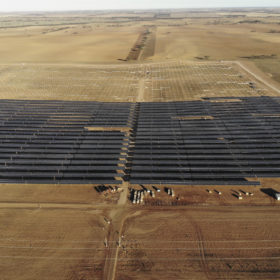
Australian state frees itself from federal shackles to unlock more grid capacity
The government of Victoria has decided to break from national electricity rules and introduce legislation to fast-track priority projects such as grid scale batteries and transmission upgrades, and make room for more large scale solar and wind. The announced reforms have prompted a flurry of reaction.
