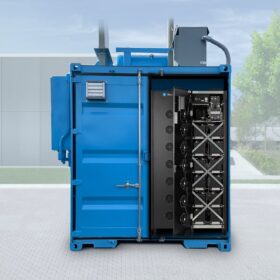
Who maintains the chargers?
While much of the focus on electric vehicle (EV) charging infrastructure focuses on volume, what about quality? And who is going to maintain a multi-million strong fleet of EV chargers?
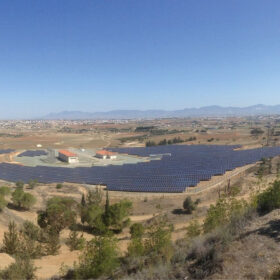
Weekend Read: Upstart vs. incumbent
Electricity market liberalization and private sector development of solar and energy storage in Cyprus continue to be delayed. pv magazine’s Ilias Tsagas looks at why independent power producers are frustrated by electricity curtailment and a lack of market reform.
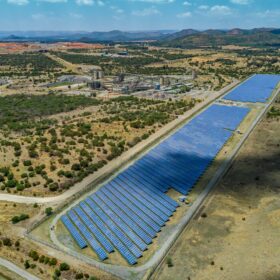
RustMo-mentous: Celebrating 10 years of South Africa’s first big-solar site
With the size of utility scale solar projects in the nation having ballooned, the lessons learned from South Africa’s first big solar field continue to help developers roll out PV as a key energy source.
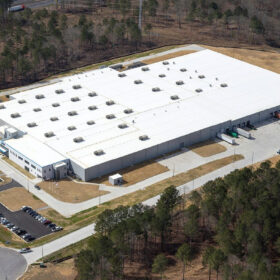
Weekend Read: Thin prospects
The production of PV ingots and wafers remains the most highly concentrated of all the production stages in the silicon solar supply chain. Yet efforts to re-establish production in Europe and the United States are not for the faint-hearted.

Why the EU should avoid PV protectionism
Rather than pondering the introduction of trade measures against solar imports, Europe should be pragmatic about its short-term reliance on Asian panels while moving now to nurture and incentivize a domestic supply chain of the future.
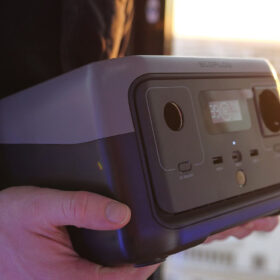
Weekend Read: PV goes portable
Portable solar generators are making their way from the fringes of solar and energy storage to become a mainstream consumer item. The rise has been charged by a range of factors that have created massive brands. Where did the sector emerge from, who was buying before, who is buying now, and what’s next? Tristan Rayner reports.
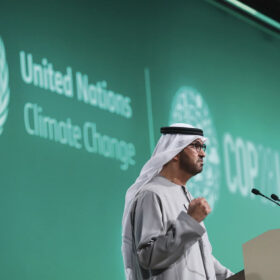
Weekend Read. COP: A solar flop?
Tripling clean energy generation capacity to 11 TW by 2030 was a leading pledge from the United Nations’ (UN) climate change conference in Dubai. With few details about infrastructure and energy storage and no clear PV targets, however, it is hard to judge the effectiveness of the 28th global Conference of the Parties (COP) meeting. Angela Skujins considers possible impacts for the solar industry.

‘UK solar will forge ahead no matter who is in government’
With United Kingdom Prime Minister Rishi Sunak appearing to have decided green policy, or rather, anti-green policy should be used to rally voters to his party’s bid for re-election this year – and with the opposition Labour party vacillating over a promise to spend £28 billion ($35 billion) per year on green investment – Adam Swarbrick, of RWE Renewables UK, gives an update on the prospects for United Kingdom solar.
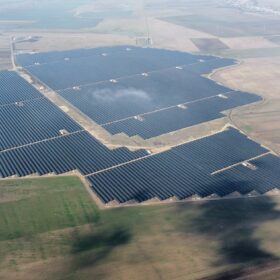
Navigating Romania’s PV boom
A latecomer to the European PV party, Romania’s embrace of clean energy means it is perfectly placed to ride the wave of urgently ramped grid investment being rolled out by the European Union.
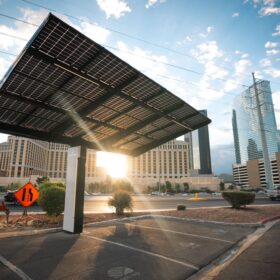
Solar canopies as a central pillar of IRA-driven energy transition
With so much of the space in United States cities allocated for parking, the dual pronged approach of the Inflation Reduction Act (IRA) – production tax credits to drive investment in domestic manufacturing and investment tax credits to attract consumer-side investment – means solar canopies can make a huge contribution to the net zero drive.
