A perovskite electrode to improve hydrogen production
The material was used by scientists in the U.S. in electrochemical cells which use electricity to separate steam into hydrogen and oxygen. The researchers say the oxide of perovskite used in the electrode improves cell performance and reduces operating temperatures.

US module shipments down in January and February
While the volume of combined imports and exports slumped from almost 2 GW in December to 1.49 GW in January and 1.36 GW in February, the price per kilowatt rose dramatically in the second month of the year.
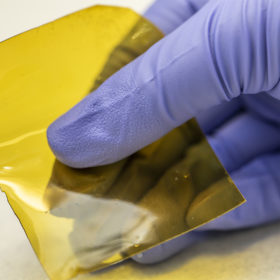
Cheaper flow batteries with new membrane
US scientists claim to have discovered a membrane which could lead to cheaper large scale flow batteries. The material is an ion-selective, aqueous-compatible polymer with intrinsic microporosity known as AquaPIM and is said to have tunable thickness and high conductivity in aqueous electrolytes.
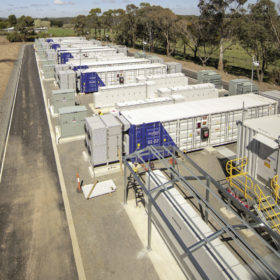
Global energy storage market to surge to 15 GW by 2024
As the sector continues to grow rapidly, delays in manufacturing scale-ups, difficulties sourcing raw materials and a separate path taken by the electric vehicle sector could all chuck ‘sand in the gears’, according to analyst Wood Mackenzie.

Navajo Nation land could host 2.2 GW pumped hydro storage station
The Federal Energy Regulatory Commission has accepted Daybreak Energy’s application to develop a 2,230 MW pumped-hydro facility on the banks of Lake Powell in Utah.

US government expects 24 GW of new solar this year
A Department of Energy agency expects 17.4 GW (DC) of utility scale solar power generation capacity plus 6.6 GW of small scale PV will be installed in 2020. That volume would be 60% higher than the record, set in 2016.

South Africa plans to allocate at least 6 GW of large scale solar by 2030
That would take the country to 8.28 GW of generation capacity by the end of the next decade with the government stating up to 6 GW of small scale capacity could be required on top. By that stage, however, coal would still amount to 43% of generation capacity and gas and diesel a combined 8.1%, under the new Integrated Resource Plan.
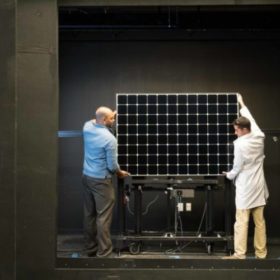
Solar module lifetime predictions are getting better
NREL has proposed a new methodology for determining solar module degradation rates, taking into account measurement challenges such as sensor drift, inverter nuances, soiling and others – keeping the focus on the solar modules themselves.

A 15% efficient solar window that delivers 40% of US electricity
A University of Michigan team hopes to offer a 15% efficient solar window product, which allows 50% of the light through. It has received US$1.3 million from the Department of Energy’s Solar Energy Technologies Office to develop the idea further.

US: Trump proposes 72% cut to DOE’s clean energy research
U.S. President Donald J. Trump has asked Congress to take a machete to the Department of Energy’s (DOE’s) renewable energy and energy efficiency programs to even lower levels than he proposed last year – cuts likely avoided because of Congressional incompetence.
