The Hydrogen Stream: Gas prices are higher than levelized cost of hydrogen for several technologies in Europe
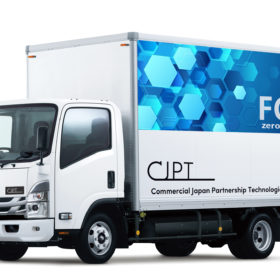
In other news, Toyota unveiled plans to roll out light-duty hydrogen fuel-cell trucks for the Japanese market next year and the UK has launched a contract for difference scheme for large scale hydrogen projects. Furthermore, Japanese scientists have designed a ruthenium complex with a nitrogen-containing organic compound to improve high-temperature proton conduction in fuel cells.
The Hydrogen Stream: Steam-based tech to produce 100 g of hydrogen from 1 kg of biomass
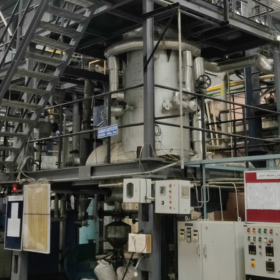
Researchers from the Indian Institute of Science (IISc) developed a two-phase hydrogen production technology that is capable of using steam to produce hydrogen from biomass. Furthermore, an Indian-Norwegian consortium is developing green ammonia in Oman, Toshiba is starting research on hydrogen production from geothermal energy, and Thyssengas is selecting personnel for the conversion of around 20% of its gas network.
The Hydrogen Stream: Global electrolyzer market to reach 8.5 GW by 2026
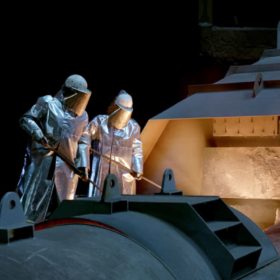
GlobalData has predicted that the global electrolyzer market will hit 8.52 GW by 2026. BP and Thyssenkrupp have agreed to cooperate on the use of hydrogen in the steel sector, while electrolyzer supplier Nel Hydrogen has secured orders in Australia and Denmark.
The Hydrogen Stream: Romania calls for green hydrogen projects
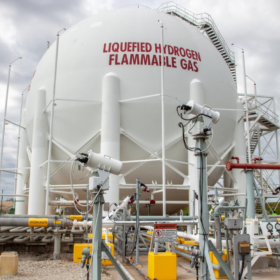
Romania has unveiled a state aid scheme to support investments in the production of hydrogen powered by solar, hydro and wind, while Air Products and Gunvor have agreed to build a hydrogen import terminal in Rotterdam.
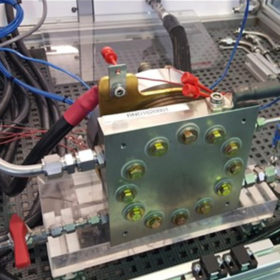
Novel stack design for PEM electrolyzers promises lower production costs
Researchers in Germany have built bipolar plates for electrolyzer stacks without using titanium, which they claim may further reduce green hydrogen costs. They used coated stainless steel and niobium for the stack coating and found these new materials do not affect electrolyzer performance.

The Hydrogen Stream: Hydrogen system for marine vessels
DNV approved HAV Group’s hydrogen-based energy system for cruise vessels, Rolls-Royce agreed to sell hydrogen-powered mtu fuel cell solutions in Germany, and the Mauritanian government signed a deal with CWP to develop a 30 GW green hydrogen project.
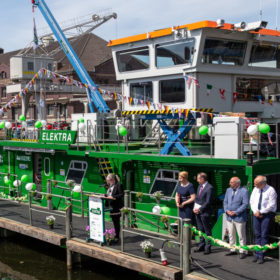
The Hydrogen Stream: World’s first hydrogen-powered towboat
Shipbuilder Hermann Barthel has developed the world’s first push boat to combine battery-electric propulsion with hydrogen and fuel cell technology. Iberdrola and Fertiberia, meanwhile, have commissioned Europe’s largest green hydrogen production plant.
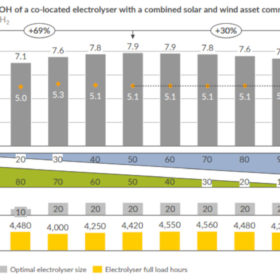
Green hydrogen price may drop to €5 kg by 2025
Aurora Energy Research says in a new report that maximum green hydrogen project profitability could be achieved when solar and wind power plants are combined with electrolyzers.
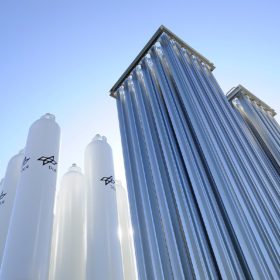
Australian developer pushes ahead with green hydrogen production plans
Frontier Energy has identified its preferred electrolysis technology as it advances plans to produce green hydrogen powered by the proposed 500 MW Bristol Springs Solar project in Western Australia.

Bosch invests €500 million to develop hydrogen electrolyzers
Germany’s Bosch wants to focus on green hydrogen production in Europe as a new dedicated business area. It said it will draw on its fuel cell expertise to build new productions facilities.
