
Solar windows made of chromophores
An Italian startup has developed a luminescent solar concentrator technology that can be integrated with active architectural elements and windows. The technology is based on nanoparticles known as chromophores, which decouple the absorption and light-emission processes, thanks to appropriate engineering. The company claims it has achieved a conversion efficiency of up to 3.2%, with a degree of transparency in the visible spectrum of around 80%.

Belgium deployed more than 500 MW of PV in 2019
The country’s cumulative installed PV capacity reached 4.82 GW at the end of 2019. Most of last year’s new PV additions were rooftop projects, but Engie also started up a 100 MW solar park.
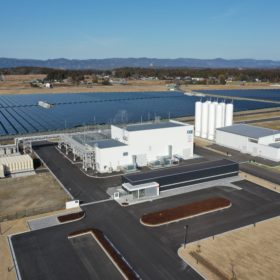
Solar-powered hydrogen production in Japan
Toshiba has finalized construction of a 10 MW hydrogen plant in Fukushima prefecture which draws power from 20 MW of solar generation capacity as well as the grid.
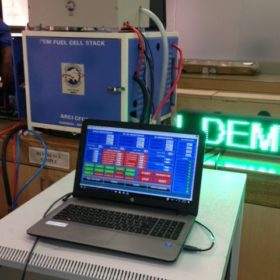
Fuel cell technology to power disaster management systems
Fuel cell systems provide sustainable electricity using hydrogen gas, without the need for grid power, which makes them highly useful in medical centers, as such facilities need to respond immediately in emergencies with state-of-the-art communication platforms.
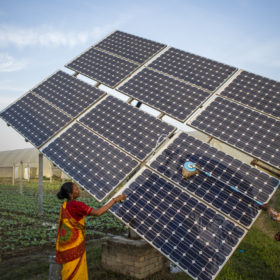
Solar will turn vicious water-energy-climate cycle into virtuous loop
The International Water Management Institute is promoting the Solar Irrigation for Agricultural Resilience (SoLAR) initiative to expand the use of solar irrigation systems throughout Bangladesh, India, Nepal, and Pakistan. Proponents of solar irrigation pumps say that they can have a strong positive impact on groundwater.

Renewable-powered hydrogen for Oman
Belgian engineer DEME is planning up to 500 MW of hydrogen production capacity at the port of Dumq, which is rich in solar and wind power resources. The engineer plans to ship hydrogen from the port to Europe.

The ambiguous impact of battery storage on emissions
U.S. researchers have investigated whether energy storage deployment could actually drive up greenhouse gas emissions in the short term in some energy markets. The fact the existing literature considers only the dispatch of energy from storage facilities in the current fossil fuel-renewables energy mix, though, could understate the long-term emissions reduction benefits of such facilities.
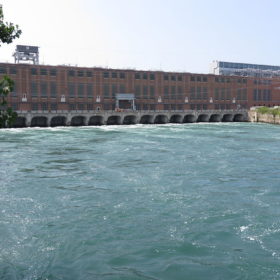
Quebec as a big battery for the northeastern US
Researchers at MIT say the immense hydropower resources of the Canadian province could be used as storage to even out the supply of intermittent renewables generation in New England and New York state.
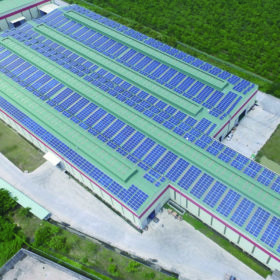
Taiwan to add 2.2 GW of new solar this year
According to GlobalData, the country saw deployment of 1.6 GW of new PV installations last year, with cumulative capacity reaching 4.3 GW. Overall, around 20 GW of PV power should be installed on the island by 2026.

India to add 34 GW of solar through 2024
Consultancy Bridge to India has looked into its crystal ball to predict India will add 10 GW of solar capacity this year and the same next year before deployment slows to 7 GW per year in 2022 and 2023, dogged by hurdles such as an inexplicable ongoing demand for new coal-fired power plants.
