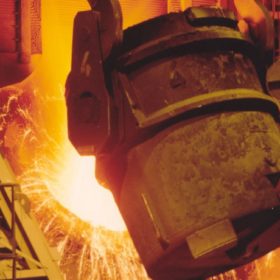
Investment cycle means race is on to incentivize green hydrogen
A report published by Irena hints the world’s politicians will have to get to work immediately to avoid another generation of fossil fuel-fired hydrogen, ammonia, and methanol plants being set up to run into the second half of the century.
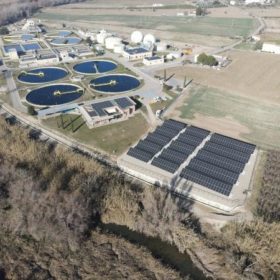
Spanish consortium wants to produce green hydrogen with sewage
The Zeppelin project is expected to generate more than 135,000 tons of green hydrogen from 99 million tons of waste and 50 million tons of municipal wastewater.

Australian electrolyzer invention enables green hydrogen under US$1.5/kg by ‘mid 2020s’
“We’re not talking about incremental improvement, this is a really giant leap,” Hysata CEO Paul Barrett told pv magazine Australia. Hysata is commercializing a breakthrough made at the University of Wollongong which effectively, Barrett says, invented a “brand new category of electrolyzer,” vastly improving efficiency.
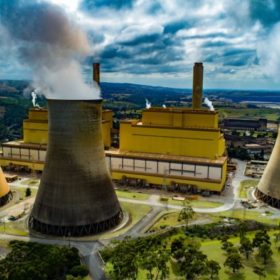
PV, battery, hydrogen park to replace coal plant in Australia
A multibillion-dollar solar, battery storage, wind and potentially green hydrogen project in the Australian state of Victoria is moving forward after securing backing from the Hostplus superannuation fund. The planned project is owned by Octopus Australia, under its joint venture with Clean Energy Finance Corp.
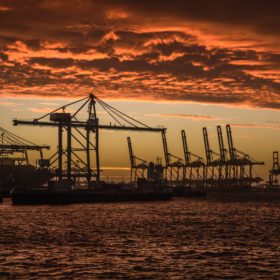
Paving the way for green hydrogen certification
The International Renewable Energy Agency has outlined a series of technical considerations for green hydrogen tracking systems. According to the document, a degree of flexibility should be taken into account in the short term to ensure that the nascent green hydrogen market can develop.
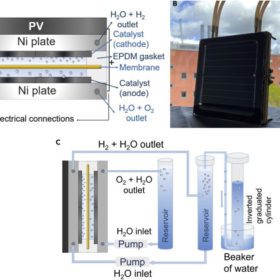
Thermally integrated PV-electrolyzer with 9.1% solar-to-hydrogen efficiency
A Swedish research group has developed a device combining CIGS thin-film solar modules and an alkaline electrolyzer based on a trimetallic cathodic catalyst made of nickel, molybdenum, and vanadium (NiMoV) and an anode made of nickel oxide (NiO). The electrolyzer achieved an average solar-to-hydrogen (STH) efficiency of 8.5% for stable operations during 100 hours.
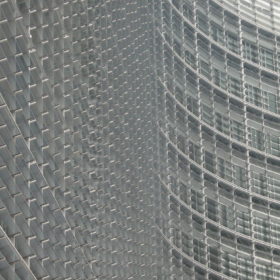
The EU plan to drastically ramp renewables to replace Russian gas
The European Commission yesterday announced its intent to remove demand for two-thirds of its Russian gas supply in less than nine months and hugely accelerating the rate of solar deployment is a central part of its radically raised clean energy ambition.

Indian green hydrogen will cost $5/kg
Ratings agency ICRA has estimated Indian green hydrogen will cost that much if produced at sites featuring clean energy generation capacity and electrolyzers. That is between 50 US cents and a dollar per kilogram cheaper than in locations where the two systems are not co-located, with the saving possible due to a reduction in open-access, intra-state grid charges.
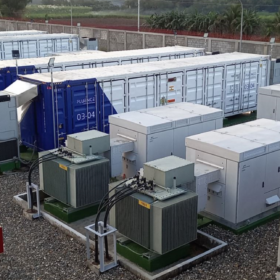
IHS Markit: Battery prices won’t fall until 2024
The London-based analyst has published a series of clean tech predictions for the year which also highlighted the rising proportion of sub-5MW solar projects in the global market, and cheaper clean energy financing costs even as panel prices continue to rise.
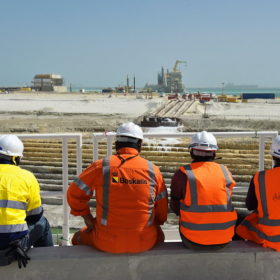
Scatec joins scaled up Omani green ammonia project
A previous announcement by Acme indicated the port site would be able to produce around 876,000 tons of the green fuel per year but the Indian developer today said that figure would be 1.2 million tons. The 100,000-ton-per-year first phase of the facility may be operational this year.
