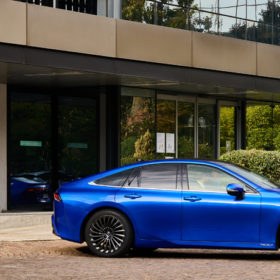
The Hydrogen Stream: Saudi Arabia bets on blue hydrogen, Denmark wants to improve green alkaline electrolysis
Elsewhere, Snam and Toyota are pushing for more hydrogen-based mobility in Italy, and Woodside Petroleum wants to establish an export-oriented hydrogen and ammonia production facility in Australia.
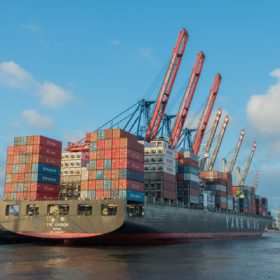
Morocco + green hydrogen could be at heart of sustainable shipping revolution
With green hydrogen needed to produce the ‘e-ammonia’ required for carbon-free vessels, new clean power generation capacity and potential solar power hotspots near international shipping lanes will be crucial.
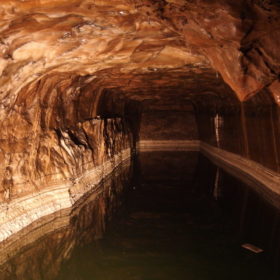
The burgeoning underground scene of hydrogen storage
Underground hydrogen storage seems to be coming up a lot lately, and with the burgeoning hydrogen industry needing somewhere to store itself, it’s not hard to understand why. One of the countries with the best credentials for the future hydrogen economy is Australia. A newly published report has quantified the country’s “massive opportunity” for underground hydrogen storage.
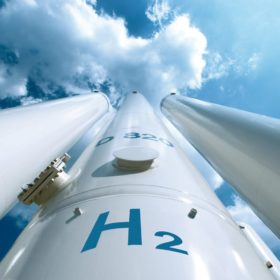
Danish electrolyzer firm Stiesdal next in Reliance’s new energy plans
Reliance New Energy Solar has signed an agreement with Danish firm Stiesdal A/S to develop and manufacture Stiesdal HydroGen electrolyzers for green hydrogen production in India.

Time to re-envision the zeppelin: This time as a hydrogen transportation method
The long-distance transportation of hydrogen is a major challenge. However, the total decarbonization of green hydrogen transportation may possible by envisioning hydrogen-filled rigid or frameless airships (blimps) which work on the buoyancy of hydrogen to lift and transport.
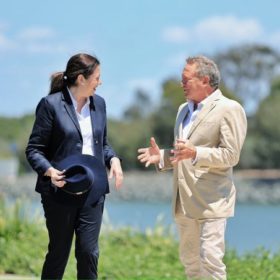
Fortescue Future Industries to build 2 GW hydrogen electrolyser plant in Australia’s Central Queensland
From iron ore magnate to renewable energy mogul, Dr. Andrew ‘Twiggy’ Forrest intends to produce everything he needs to turn the world away from fossil fuels to green hydrogen. The latest? A renewable energy infrastructure manufacturing facility in Aldoga, near Gladstone in Central Queensland.
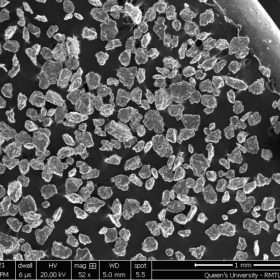
The Hydrogen Stream: New magnesium-based composite for hydrogen storage and a big push from South Korea
Researchers at Canadian Nuclear Laboratories (CNL) identified a new magnesium-based alloy that could be used for hydrogen storage. Furthermore, Hyundai Mobis announced a $1.1 billion (€0.95 billion) investment in two new fuel cell plants in South Korea, while South Korea’s SK Group formed a joint venture with US hydrogen solutions company Plug Power to develop green hydrogen across several Asian countries.
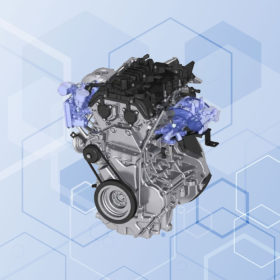
The Hydrogen Stream: A new engine from China and IEA predictions for this decade
Chinese carmaker GAC Group has unveiled an engine it claims improves the mixing process of hydrogen and air. Elsewhere, the IEA has said $7 billion in new electrolyzers will be required globally by the end of the decade, and a British consortium is planning to build green hydrogen production facilities alongside 4 GW of solar, wind, and battery projects it is developing in the United Kingdom.
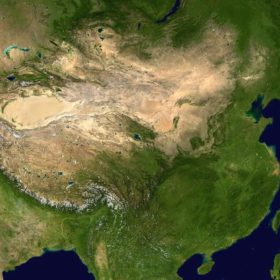
China can ensure a 1.5C world – and continue to dominate the global clean energy supply chain
A report by the IEA laying out two routes for China to reach net zero attempts to persuade policymakers to gun for that goal by 2050, rather than ten years later, and dangles the prospect of continued global dominance as the main reward on offer.
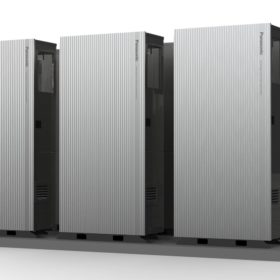
Panasonic launches 5 kW fuel cell system for commercial applications
The system has dimensions of 834×417×1,766 mm and weighs 205 kg including the design panel. It achieves an electrical efficiency of 56% and can be connected with a hot water storage unit.
