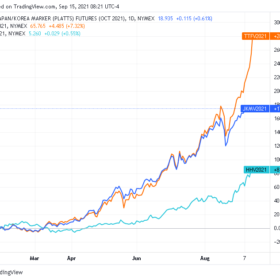
Skyrocketing energy, carbon prices already make green hydrogen competitive
Antonio Delgado Rigal, chief executive of energy forecasting service AleaSoft, tells pv magazine that skyrocketing gas and electricity prices are putting the global economy under strong pressure, while also opening up huge opportunities for solar, renewables and green hydrogen. He says current gas and electricity prices, along with rising CO2 prices, already make green hydrogen competitive. He therefore calls for immediate action on building new capacity, but acknowledges that a quick end is not yet in sight for rising prices.
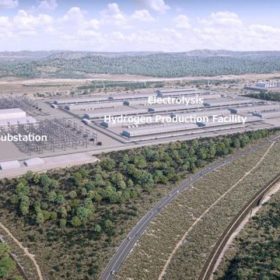
Australian generator teams with Japanese on 3 GW green hydrogen project
The Australian state of Queensland’s aim to become a leading producer and exporter of green hydrogen has received a boost, as state-owned electricity generator Stanwell has teamed up with a group of Australian and Japanese companies to launch a feasibility study for a proposed large-scale production and export project.
The Hydrogen Stream: work begins on Chile’s first green hydrogen project and French energy giants target decarbonized hydrogen
TotalEnergies wants to decarbonize hydrogen production in Normandy with the support of Air Liquide and, in Chile, an international consortium has begun construction of the country’s first green hydrogen facility. Elsewhere, the Indian government has invited U.S. companies to bid for green hydrogen and electrolyzer contracts.
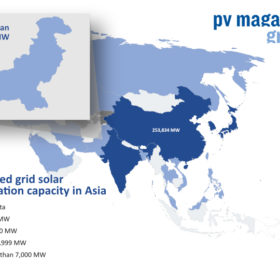
Pakistan’s looming water crisis could be eased by a solar-led energy system
With renewable energy generation said to consume up to 95% less water than fossil-fuel fired power plants, solar could lead the way to a less stressed existence in mid century, according to researchers from Finland’s LUT.
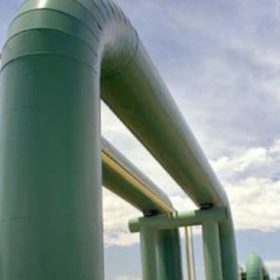
The Hydrogen Stream: An electrolysis test field in Germany and a deal for 500 hydrogen-powered electric trucks
Enertrage and Sunfire want to build an electrolysis test field in eastern Germany and Hyzon Motors sold 500 hydrogen-powered electric trucks to Shanghai Hydrogen HongYun Automotive. Moreover, several partnership agreements were announced in Malaysia, Japan, the US, Australia and South Korea.

Hydrogen-powered vehicles to enter Australian market
Startup H2X is banking on bringing automotive manufacturing back to Australia with hydrogen. After it unveiled its Warrego pickup truck last week, pv magazine Australia caught up with the company’s corporate affairs specialist, Tony Blackie.

The Hydrogen Stream: Hyundai wants to halve fuel cell system costs in two years
Elsewhere, Uniper and the Port of Rotterdam have signed a deal to produce green hydrogen at the former’s site on the Maasvlakte extension of the port, and the Japanese government is helping Azerbaijan develop a green hydrogen and ammonia market.
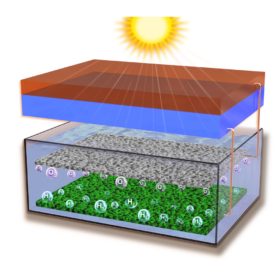
Direct solar hydrogen generation tech powered by 24.3%-efficient tandem perovskite-silicon solar cell
Developed by Australian scientists, the demonstrated system is claimed to achieve a solar-to-hydrogen efficiency of 20% at a levelized cost of hydrogen (LCOH) of $4.10/kg. The direct solar hydrogen generation technology is powered by a tandem perovskite-silicon solar cell with an unprecedented high open-circuit voltage of 1.271 V, and a power conversion efficiency of 24.3%.
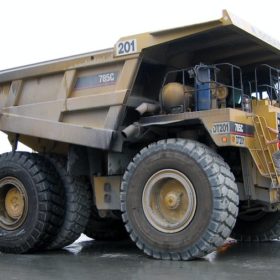
Mobile solar unit to power green hydrogen at platinum mine
A 600 kW, container-based solar array will be used to electrolyze green hydrogen at a mine in Limpopo, South Africa after Engie signed a two-year lease for the mobile system, at Anglo American’s Mogalakwena site.
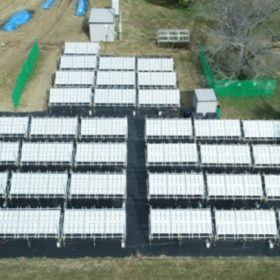
The Hydrogen Stream: New solar-powered hydrogen tech from Japan
Moreover, two big Russian corporations have unveiled plans to produce hydrogen and Portuguese utility EDP said it wants to set up a a pilot project for a green hydrogen plant in Brazil.
