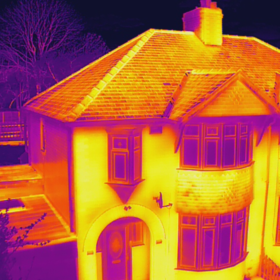
Thermochemical storage-plus-rooftop PV to store heat for winter months
A group of researchers in the United Kingdom is developing a modular, multi-vector energy system that can be installed into new homes and retrofitted into existing buildings to provide seasonal heat storage. In the proposed system configuration, a rooftop solar array would be used to power a heat pump or another electrical heating element, which in turn produces the heat to be stored by thermal devices.

Space heating without oil, gas feasible in Germany by 2035, says study
Europe’s declining security situation and rising fossil fuel prices are driving calls for independence from gas. A new study by the Wuppertal Institute, commissioned by Greenpeace, shows that a complete shift away from fossil fuels in the heating sector could be possible for Germany within 13 years.
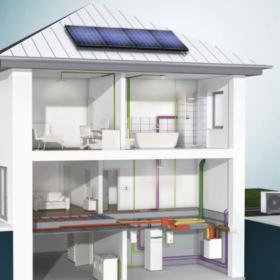
Short payback periods for PV-powered heat pumps in Spain
Spain’s National Confederation of Installers has released a technical paper about the advantages of coupling rooftop PV with heat pumps. It says that the payback time for a solar-powered heat pump can range between two and five years.

Around 90% of newly built homes erected last year in the Netherlands are gas-free
The Netherlands is at the forefront of promoting sustainable heating in Europe and the share of new buildings that are not connected to the country’s gas grid may soon approach 100%.

Cost optimal solutions for residential solar-powered heat pumps in cold climates, isolated areas
A U.S.-Swedish research group has investigated the complex economic relationship between PV and heat pumps in cold climates under four different levels of electrification. It found that, compared to propane, solar heat pumps can reduce reduce costs by up to 20% and carbon emissions by 30%.
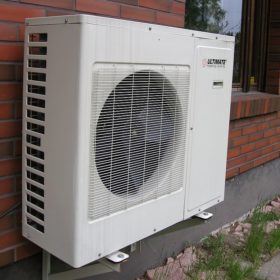
Ireland announces plan to install 600,000 heat pumps by 2030
The move is part of the National Development Plan 2021-2030, which aims to increase the share of renewable electricity in the generation mix up to 80% and to allocate around 15.5 GW of wind and solar capacity through an auction scheme.
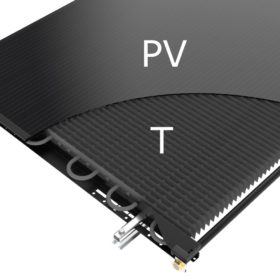
Triple Solar unveils new photovoltaic thermal panel for heat-pump houses
Dutch company Triple Solar has launched a new PVT module for residential applications which can be connected to water-to-water or PVT heat pumps. The new panel is said to be 10% larger and have a 15% higher output than the company’s other products and can reach a PV power output of 450 W.

Electricity taxes, levies preventing heat pump market growing in Europe
A new report from the European Heat Pump Association (EHPA) has shown that heat pump technologies are currently unable to compete for heating with gas due to high taxes and levies on electricity. According to its experts, a carbon tax, or removing this tax imbalance, may create a level playing field for renewable technologies in the heating sector.
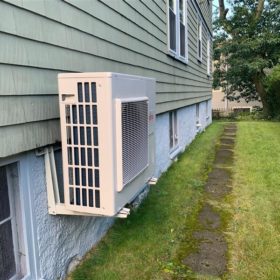
Heat pumps can be standalone solutions even in cold climates
The Massachusetts Clean Energy Center (MassCEC) showed, through a pilot incentive program, that whole-home heat pumps are a feasible solution for heating when switching from gas. Project costs, however, were found to be higher than expected.
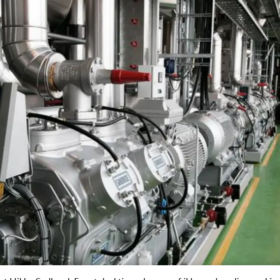
New incentive round for electric heat pumps in Denmark
The scheme is open to companies specializing in district heating and offers rebates covering up to 15% of the total investment made to buy and install the heat pump, with developers being eligible for a maximum of DKK5 million for each project.
