
Could hydrogen replace diesel in large-scale agriculture?
Australian farmer Thomas Blair is expanding the horizons of his industry to cultivate green hydrogen.
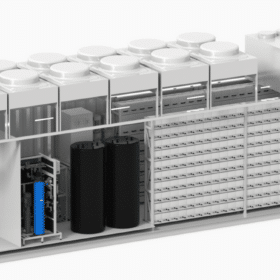
Enapter develops MW-sized AEM electrolyzer
The new electrolyser with anion exchange membrane technology is expected to produce 450 kilograms per day and will be available on the market in 2022.
The Hydrogen Stream: Massive hydrogen/green ammonia project in Chile, hydrogen atlas for Germany
Furthermore, Canadian integrated energy company Suncor and Canadian holding company ATCO are looking into a potential “world scale clean hydrogen project” in Alberta, and Japanese energy company Eneos and Japanese multinational automotive manufacturer Toyota Motor, are exploring hydrogen applications at Woven City, a prototype city in Japan.
‘Hydrogen as a universal climate solution might be a bit of false promise’
Hydrogen and hydrogen-based fuels will not be able to move forward fast enough to replace fossil fuels and tackle climate change, according to a German-Swiss research team that claims direct electrification alternatives are cheaper and easier to implement. The scientists cite too-high prices, short-term scarcity and long-term uncertainty, as the main reasons for their skepticism.
The Hydrogen Stream: More hydrogen for the ports of Rotterdam and Antwerp
Australia and Chile are both granting funds to green hydrogen projects and Denmark is exempting pilot power-to-gas projects from complying with its energy legislation. Furthermore, the Fraunhofer Institute for Applied Polymer Research IAP is working to find solutions for private customers to produce hydrogen.
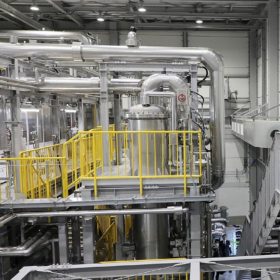
Breaking the rules to foster green hydrogen innovation
The Danish Energy Agency has granted permission, to two power-to-X specialists, for the development of innovative projects without having to comply with the country’s energy legislation. This exemption is part of an upcoming pilot scheme to support new clean energy technologies, including green hydrogen.
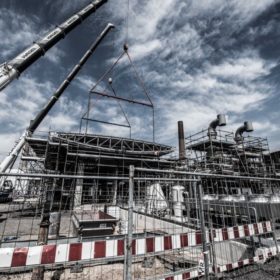
The Hydrogen Stream: Rosatom, EDF join forces, Shell builds Europe’s largest PEM electrolyzer
Moreover, the Germany-based Fraunhofer Institute for Chemical Technology has announced it is progressing with its research to reduce the cost of PEM water electrolysis and the Spanish government has established the criteria for its first pre-selection of renewable hydrogen projects.
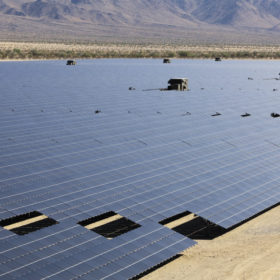
First Solar, Nel to develop integrated PV-hydrogen power plants
First Solar and Nel Hydrogen Electrolyser AS will initially develop an integrated power plant control and SCADA system, as part of a broader plan to build integrated photovoltaic/hydrogen power plants.
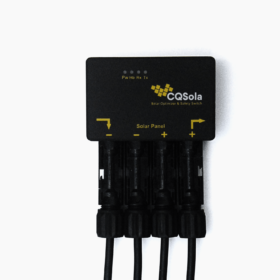
Power controller to connect solar to terminals of electrolyzers
An Australian innovation, the unassuming-looking CQSola power controller has under-the-hood smarts that could significantly cut the cost of hydrogen produced using solar energy.
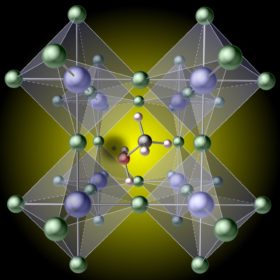
Keeping track of hydrogen for perovskite performance
Scientists in the United States discovered that hydrogen plays a leading role in the formation of defects in a perovskite film, which limit their performance as PV devices. The discovery, according to the researchers, offers further insight into observations already established by trial and error and could help to push the impressive efficiency achievements already made by perovskites even higher.
