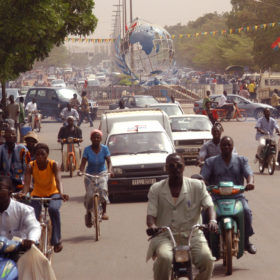
UN-backed fund to support solar businesses in Burkina Faso
A fund backed by the United Nations and the government of Luxembourg is helping companies to provide small solar PV systems and innovative cooking stoves in the economically challenged West African nation.
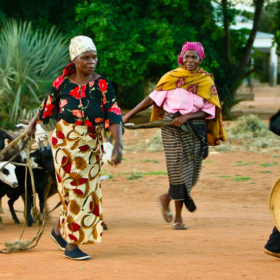
Mozambique kicks off minigrid tender
The Mozambican Energy Fund and the Belgian Development Agency have kicked off a tender to facilitate the construction of five solar minigrids to improve rural electricity access in the southern African nation. Prospective developers have until the end of the month to express interest.

Project developers can secure cash from new IRENA funding pot
The Climate Investment Platform launched by three multilateral bodies in September is now open for business and renewables companies in developing nations could qualify for help with clean energy facilities, renewables-related grid improvements and energy efficiency schemes.
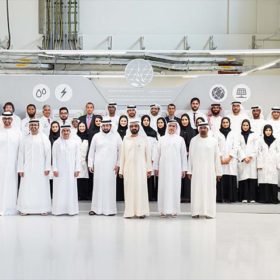
DEWA opens new solar R&D center
The Dubai Electricity and Water Authority’s new research facility at the Mohammed bin Rashid Al Maktoum Solar Park will primarily focus on solar power, energy efficiency, and the integration of smart grids.
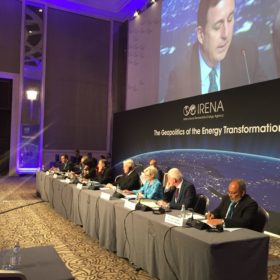
‘Renewables must grow four times faster to ensure sustainable future’
The share of renewables in the global energy mix must more than double by 2030 for the world to advance the energy transition and achieve sustainable development goals, according to the International Renewable Energy Agency. Renewable electricity should supply 57% of global power by the end of the decade, up from 26% today.

Abu Dhabi fund approves $105m for clean energy projects
The Abu Dhabi Fund for Development will support half a dozen megawatt scale projects featuring solar in the Caribbean and Africa. In addition to around 42.5 MW of new solar capacity, the fund will also back the development of energy storage, waste-to-energy and biogas facilities.
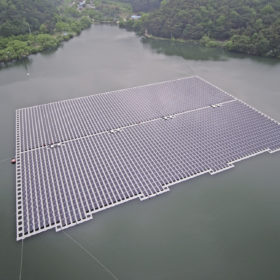
Masdar to install 145 MW of floating PV in Indonesia
Abu Dhabi-based renewable energy group Masdar is sailing into the Southeast Asian solar market with Indonesia’s first floating solar project. The petro-state owned developer says the facility will be the largest in the region.
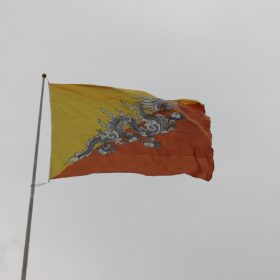
The land that solar (almost) forgot
Almost all of the energy supplied in the Buddhist kingdom of Bhutan comes from 1.67 GW of hydropower capacity but with a rising population and energy demand, and an expanding economy, the 12 GW of solar the International Renewable Energy Agency estimates the Himalayan nation could host might reduce the risk of climate change-related blackouts.
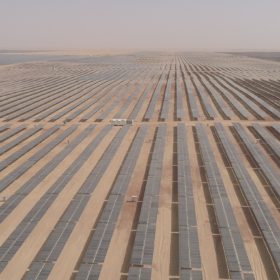
EBRD to lend €183m to help Egypt connect 1.3 GW of renewables
The European Bank for Reconstruction and Development is offering the funds to Egypt’s transmission system operator to strengthen the country’s grid to host more renewable energy in anticipation of rising power demand over the coming decade.
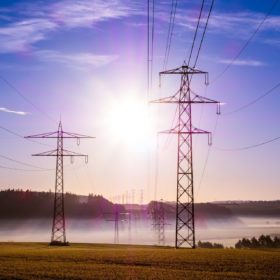
IRENA predicts LCOE of solar will drop to $0.01-0.05 by mid century
The latest study published by the International Renewable Energy Agency says the average solar electricity cost of $0.085/kWh produced by projects commissioned last year is set to fall to $0.048 next year, and $0.02-0.08 by 2030.
